
Tesla kept its mouth shut for a year. Hidden the ugly bits. Now? The door is open.
A federal database reveals details on 17 crashes from mid-2025 to early 2026. TechCrunch saw it first. WIRED dug in.
Two crashes stand out. Not because of software glitches. But because humans—working remotely—drove Tesla’s “autonomous” cars into things.
The Crashes
Both happened in Austin. No paying passengers inside. Just safety monitors sitting shotgun. Overseeing the baby self-driving tech. Speeds were low. Under 10 mph.
July 2025.
The car got stuck on the side of the street. Refused to move. The monitor inside radioed for help. A remote worker at Tesla took the wheel. Literally.
The teleoperated driver aimed for a curb. Climbed it. Slammed into a metal fence. Eight miles per hour. Not fast, but enough to bruise. The safety monitor got minor injuries. No hospital visit. Just a sore day.
January 2026.
Another request for help. This time for navigation. Another remote driver stepped in. Controlled the vehicle. Drove straight into a temporary construction barricade. Nine miles per hour.
Dent on the fender. Tire scraped. No one hurt. Or at least. Tesla didn’t say anyone was.
Silence from the top. Tesla doesn’t even have a PR team, remember? No comment from Musk’s orbit. Just data drops and headlines.
The Remote Problem
This isn’t about bugs in the code. It’s about the human backstop. The teleoperator.
Everyone uses them. US self-driving fleets rely on remote teams to guide lost cars, according to letters sent to senators this year. Usually? It’s advisory.
Other companies let their workers send suggestions. “Turn left here.” “Stop there.” The car’s brain decides if it trusts the advice. Or ignores it. Waymo lets pros drive their cars remotely. Up to 2 mph. In training. Only.
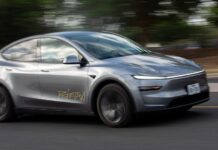
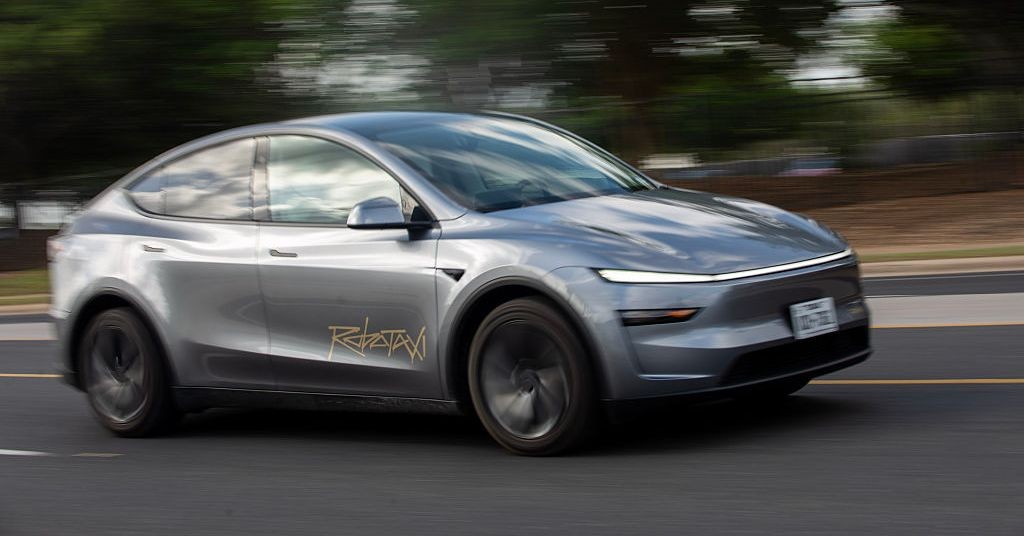
Tesla? Different league. Or different playbook. Their remote workers drive the actual car. Directly. Frequently.
Safety folks are nervous. Why? Cell service is spotty. Latency exists. How much does a remote driver actually see? Is the feed high-def? Is there a delay between seeing the curb and hitting it?
Noah Goodall, who studies self-driving stuff independently, told WIRED it raises serious questions. About resolution. Coverage. The split-second lag while guiding a two-ton metal box.
“Raise questions about what the teleoperator can sees in both coverage and resolution…”
It’s hard enough to drive with your hands. Doing it through a screen? With potential lag? Risky business.
The Reality on the Road
Tesla’s robotaxi fleet is tiny. Less than 100 cars. Three Texas cities. Austin. Dallas. Houston.
Waymo? Nearly 4,000 vehicles. A different scale.
And half the Teslas? They still have humans inside. Sitting in the passenger seat. Just in case.
Wait times? Awful. Over 35 minutes in Dallas and Houston since April launch. In Austin? Sometimes nothing at all. Cars vanish. Unavailable. Ghost town.
This matters to Elon. His paycheck—the potential trillion-dollar bounty by 2035—tied to deliveries. Subscriptions. Robotaxis running. He said cars are the focus. Not electric sedans. Autonomous tech. Robotics.
So we watch. We wait. The fences stay bent.
How do you trust the hand you can’t see?
Maybe you don’t. Yet.