




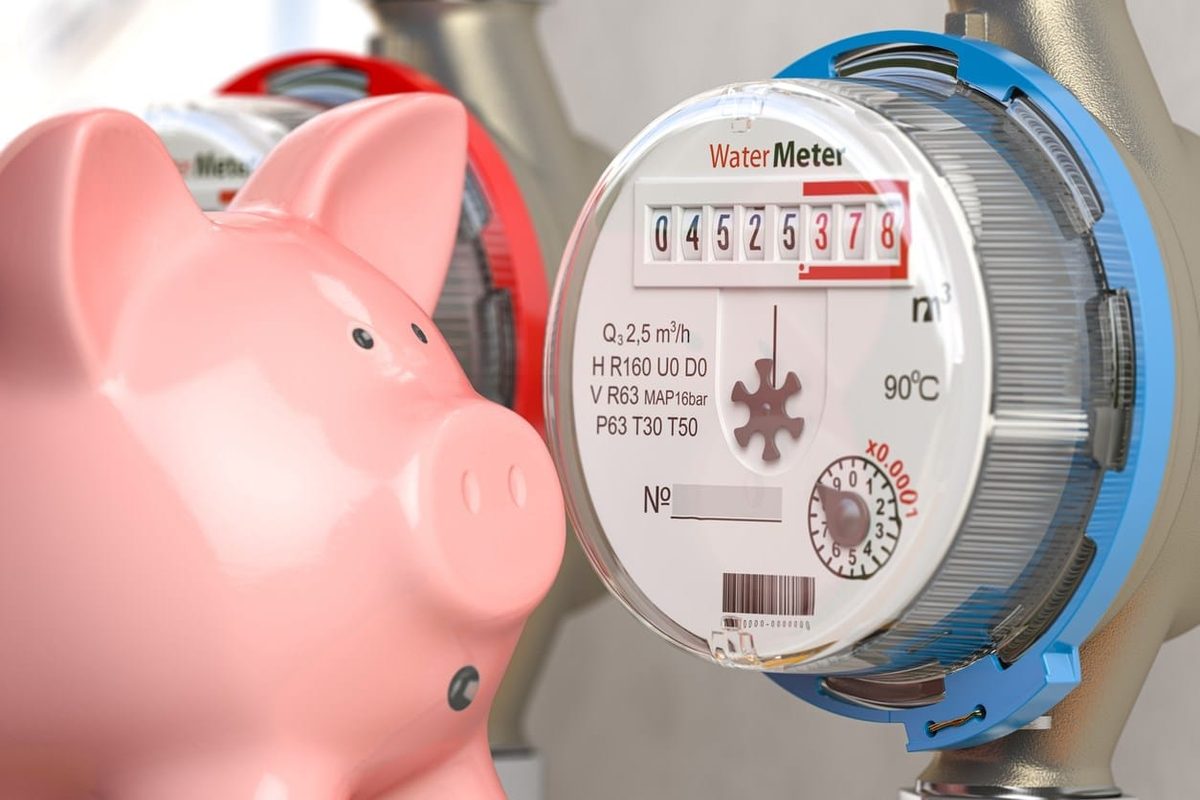
Your water bill is climbing. It is an uncomfortable truth. You check the monthly statement and wince at the total. Most people accept this as a fixed cost of living. They do not look closer. They do not question the flow rates or the hidden leaks. But there is a way down. A student shared a method that cuts usage in half. It sounds like a scam. It sounds like clickbait. Yet the mechanics are simple. The savings are real. You just need to change how you view water.
The Myth of Endless Supply
We treat water like air. Infinite. Free. Invisible until it is gone. That mindset is expensive. Municipal systems pump it. They filter it. They charge you for every drop. The infrastructure costs are massive. Those costs get passed to you. When you see a high bill, it is not just bad luck. It is a signal. Your habits are misaligned with the price.
The Student’s Approach
The trick comes from a different perspective. Students often live on tight budgets. They learn to stretch resources. They do not waste. They do not let the tap run while brushing teeth. They shorten showers. They fix drips immediately. But the real secret is not just discipline. It is measurement. You cannot manage what you do not track.
“The first step to saving half your water bill is knowing exactly where every liter goes.”
This is not about suffering. It is about awareness. You keep your comfort. You just stop the waste.
Where the Water Goes
Most households waste water in three areas. The toilet. The shower. The kitchen. The toilet alone can account for thirty percent of indoor use. A running toilet wastes thousands of gallons a year. That is money flushed away. Literally. The shower is next. A standard head uses two to two and a half gallons per minute. Five minutes is ten gallons. That adds up fast. The kitchen is the third culprit. Leaving the tap running while washing dishes is a common habit. It is inefficient. It is costly.
How to Implement the Change
You do not need expensive equipment. You do not need a plumber. You need a bucket. And a timer. Here is the mechanism.
- Audit your usage. Run a test. Put a bucket under the shower. Time it. See how much water you use in three minutes. Compare it to your bill. The math will be shocking.
- Install low-flow aerators. These are cheap. They fit on any faucet. They mix air with water. The pressure feels the same. The volume drops by half. That is instant savings.
- Change your behavior. Turn off the tap. Not just in the shower. In the kitchen. When scrubbing pots. When rinsing hands. Every second counts.
- Fix leaks. A drip is not a drip. It is a dollar sign. Check your toilet tank. Add food coloring. Wait. If color appears in the bowl, you have a leak. Fix it.
The Trade-off
Is it inconvenient? Slightly. At first. You think about water. You notice the flow. But within weeks, it becomes habit. You stop thinking about it. The bill drops. The savings accumulate. You can use that money
Stop looking for complex plumbing upgrades. A Spanish student proved you don’t need expensive pumps or major renovations to reuse water effectively. His design targets two of the biggest water hogs in a typical home: toilets and washing machines. These appliances don’t require potable water, meaning you can significantly reduce your municipal water bill by switching to a captured supply.
Using attic space for passive filtration
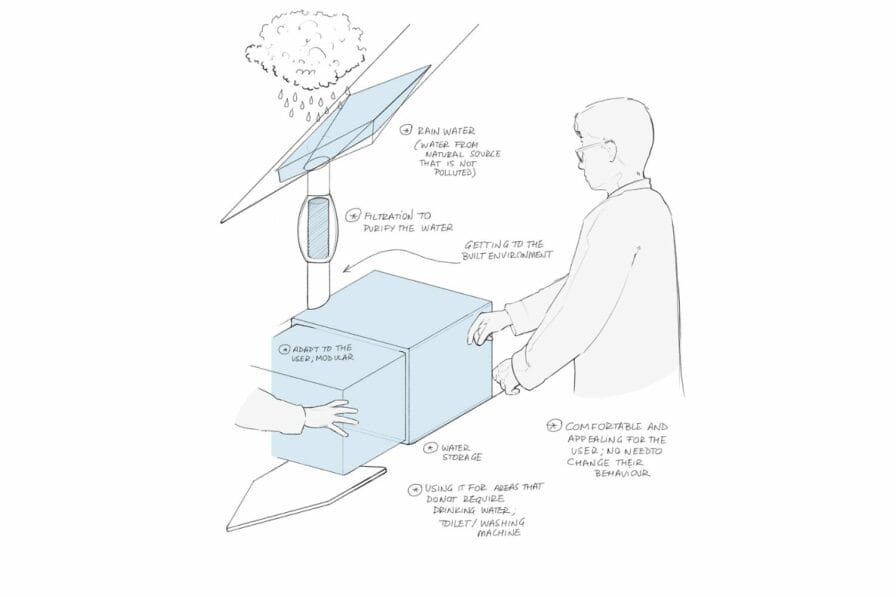
The genius here is location. The system doesn’t clutter your living space or require a basement pump room. It sits in the unused zones of your house—the attic or roof space. By placing the storage unit high up, the design leverages physics over electricity.
The three-part gravity setup
The mechanism is surprisingly simple. It relies on three main components working together without external power.
- Special roof tiles : These double or single tiles act as the primary catchment surface. They filter out large debris before the water even enters the pipe.
- Secondary filtration : This stage uses standard pipe diameters, making it compatible with existing home infrastructure. It cleans the water enough for non-potable uses.
- Modular storage tank : The water collects here. Because it is stored at the highest point of the structure, gravity does the heavy lifting.
No pumps. No energy costs.
You might wonder how the water gets down to the toilet tank or the laundry hookups. There is no motor. No electricity. Just gravity.
Since the reservoir is elevated, the water flows downward naturally. This eliminates the need for a pump entirely. You save on the upfront cost of buying a pump. You also save on the ongoing cost of running it. The system is energy-neutral.
Is it worth the retrofit?
The trade-off is installation complexity. You have to integrate filtration into your roof structure. Standard gutter systems often lack the fine filtering needed here. The tiles themselves are the first line of defense. If you live in an area with heavy pollen or dust, that secondary filter will work harder.
But for homes with sloped roofs and attic space, the math is straightforward. You replace thousands of gallons of treated city water with free rainwater. The only limit is your roof’s surface area and how much storage you can fit in the eaves.
“The system is designed to exploit unused spaces in the home, like attics or roofs.”
This isn’t a get-rich-quick scheme. It’s a utility shift. You are decoupling your laundry and flushing habits from the municipal grid. The barrier is mostly architectural. Can your roof handle the added weight? Is there enough vertical drop to ensure good pressure? Those are the real questions. Most standard gravity systems struggle with low pressure in upper-floor bathrooms. This setup targets the main line, which usually holds better force.
If you have an old house with a large attic, the retrofit might be cheaper than you think. You aren’t buying a high-tech appliance. You are installing passive infrastructure.
Biomimicry in modern architecture
The design didn’t appear out of nowhere. It took serious R&D. An Spanish student looked at how construction works and then looked at how lizards survive. He mapped rainwater gutters to the way desert reptiles pull moisture from the air through their skin.
It is biomimetic architecture at work.
He didn’t just sketch ideas. He built prototypes. He used his time in the corporate sector to refine the mechanics. The result is a system that actually filters and collects water without wasting it.
Industry recognition and awards
People noticed. The project won the Panasonic Best Design Impact Award at the New Designers 24 salon.
The jury cited the project for solving real problems. It proves that design can drive positive change. It isn’t just about aesthetics. It’s about function and sustainability.
Green building trade-offs
Eco-housing is not a fad. It is a shift toward low-impact materials. Locally sourced supplies. Low-energy manufacturing.
There is a cost. Initial investment runs higher than traditional builds. You pay more for the materials that improve air quality and natural light.
But the bills drop. Energy costs fall over time. The return on investment is real, even if the upfront price tag stings.
Regional water savings
The student developed this while studying in the UK. But the savings vary by location.
If you live in a dry zone, you catch less rain. Your water bill drops less. If you are in a rainy region, the system works harder. You save more.
The core mechanism remains the same. It uses nature’s logic to cut waste. The question is whether your local climate supports it enough to matter.