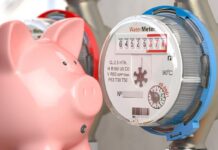





Summer is coming. Your budget is bleeding.
Prices are stuck at historic highs. You have vacations to plan. Daily spending has to be mastered, or purchasing power evaporates. Everyone has an app for this. Flashy interfaces promising to track every euro.
But the most effective tool is analog. It is old. It is offline. It works by cutting off superfluous desires cold.
This practice, buried for years, is returning. It transforms how French households manage their cash flow. The secret is simple. Stop using cards.
The physical shock of paying with cash
Contactless payments and mobile wallets have smoothed out the act of buying. Spending money no longer hurts. A tap on a screen or a wave over a terminal clears a full cart in seconds.
Returning to cash changes this. It makes expenses visible. It reduces unplanned purchases drastically.
Withdrawing physical money from the bank gives your weekly budget real volume. Bills and coins leaving your pocket create an instant, powerful visual shock. This disconnection from digital interfaces forces you to count carefully. You examine the remaining balance at the bottom of your wallet. You anticipate the next ATM visit.
ATM points are declining in France. You must plan withdrawals in advance. This logistical hurdle limits the temptation to dip blindly into your checking account.
As the stack of bills thins hour by hour, every expense is weighed. Compared. Evaluated with care. The small, customary summer slippages—like an impromptu terrace drink or a magazine bought on a whim—stop being invisible fees.
Cash acts as an unimpeachable control radar. It signals capital flight concretely.
The psychological barrier that kills impulse buys
Human behavior shifts entirely between plastic and paper. Withdrawing cash from your wallet establishes real mental friction.
Merchants have systematically abolished this friction to encourage last-minute additions. You need it back for healthy management.
Paying in cash requires steps. Open your bag. Extract exact change. Hand it over. Watch the change returned.
This latency is precious. It disarms sudden purchase impulses.
The brain questions the necessity of buying a gadget or that sweet treat placed smartly near the checkout. Dematerialization allows these micro-payments to accumulate in silence. They dig a major deficit into the household budget.
Sounding and clinking money breaks the insidious momentum of a leaking basket. Feeling the physical drop in financial capacity before a big trip generates an immediate, corrective sense of loss.
This direct mechanism is common sense. It cannot be replicated by a bank app notification. That notification always arrives after the transaction is irrevocably concluded.
Why the Envelope Method Is Making a Comeback
Digital payments have made spending invisible. That convenience is expensive. The envelope system brings cash back to the center of your financial life. It forces you to see what leaves your hand. Banks report that people who use this method for variable expenses cut spontaneous overdrafts by 15 to 25 percent. That is a real number. It happens fast. You do not need an app to see your limit. You just count the bills.
How to Set Up Your Cash Budget
Start before the summer rush. You need a plan that works with your actual income flow. Do not guess. Calculate.
- Fixed costs stay in the bank. Leave a specific amount on your main account to cover rent, utilities, and subscriptions. Let the automatic payments handle this.
- Variable costs become cash. Decide exactly how much goes to groceries, entertainment, and emergencies. Withdraw it. All of it.
- Withdraw once a week. Or once a month. Whatever fits your rhythm. The key is removing the card from the equation.
- Hide the card. Put it in a drawer. When you go out, take only the envelope.
The Real Cost of Your Habits
Numbers make the trade-offs clear. Here is what that looks like for an average household using weekly cash limits.
| Variable Expense Category | Weekly Cash Goal | Potential Monthly Savings |
|---|---|---|
| Groceries & Market | 150 euros | 50 euros saved by avoiding impulse buys |
| Restaurants & Cafes | 40 euros | 30 euros kept by visual deterrence |
| Hobbies & Small Pleasures | 30 euros | Spending optimized to the exact euro |
Once the money in the envelope is gone, you stop. No credit card backups. No “I will pay it back tomorrow.” The spending freezes until the next week. This removes the guilt. You know exactly where your money went. You feel the weight of it.
Why Cash Beats Tap-to-Pay
We live in a frictionless world. Swiping a card or tapping a phone is too easy. There is no physical feedback. Cash creates friction. That friction is a feature, not a bug. It acts as a shield against inflation. When you see the stack of bills shrink, you understand the value of your labor.
It is not about hating technology. It is about recognizing its limits. Digital tools can track spending, but they cannot stop the hand from reaching for the wallet. Cash does.
A Summer Strategy for Mental Clarity
Vacations should be relaxing. Financial stress ruins trips. By eliminating contactless payments for leisure, you reclaim control. You decide what is fun. You decide what is necessary. The rest is noise.
Try it before you pack your bags. Withdraw the cash. Put the card away. Watch how your perspective shifts. The vacation starts with your budget, not with the destination. Does that sound like freedom to you? Or just extra work?