



Before 1980, Turkey operated under a rigid model of import substitution. It was slow. Expensive. Isolated from global markets. Then came January 24, 1980.
That date marks the end of isolation. It marks the beginning of the modern Turkish economy.
The “24 January 1980 economic decisions” were not just policy tweaks. They were a full-scale pivot toward a free-market economy. The goal was clear: export-oriented growth. The methods were drastic.
Breaking the Import Substitution Model
Why did the shift happen? The old system was failing. Inflation was spiraling. The current account deficit was widening. The state controlled too many prices and sectors.
The new plan aimed to fix this by opening the borders.
- Export Promotion: The state stopped protecting domestic industries behind high tariffs. Instead, it incentivized production for foreign markets.
- Free Pricing: Prices for most goods were liberalized. Supply and demand, not government decree, began setting costs.
- Trade Liberalization: Tariffs were reduced. Non-tariff barriers like import licenses were eliminated.
This was a shock therapy approach. It forced domestic companies to compete globally or perish.
The Role of the Export-Oriented Model
Which sectors benefited most? Textiles and agriculture led the charge in the early years. These industries had a natural comparative advantage in labor costs.
The government provided export incentives. Tax rebates. Preferential exchange rates. These tools made Turkish goods cheaper abroad.
“The shift was not about protecting local businesses. It was about making them competitive on the world stage.”
This strategy changed the industrial landscape. It moved the focus inward to outward.
Short-Term Pain for Long-Term Gain
The transition was not smooth. Industrial production dropped in 1980 and 1981. Unemployment rose. Real wages fell.
Why? Because the adjustments were immediate. But the structure changed permanently.
By the mid-1980s, exports were growing. GDP growth picked up. The economy was no longer self-contained. It was integrated.
Legacy of the 1980 Reforms
The 1980 decisions set the template for all future economic policies in Turkey. Every major reform since then—whether in privatization, banking, or trade—built on the foundation laid on January 24, 1980.
It introduced the concept that the market, not the state, should be the primary allocator of resources.
The effects are still visible today. In trade balances. In industrial composition. In the very definition of what a Turkish business looks like.
The experiment began then. It continues now.
The Aftermath of the 1980 Economic Turnaround
The January 24, 1980 decisions weren’t just policy tweaks. They were a full system reboot. The goal was explicit: fix the balance of payments. Kill the inflation.
To do this, the state stepped back. It allowed a free-market economy to take the reins. The government stopped micromanaging prices and production. Instead, it handed tools to the private sector. Low-interest loans. Tax refunds. The message was clear: make stuff, sell it abroad.
Exporters got a lifeline. They found a way to access cheap foreign currency. This wasn’t accidental. It was designed to boost exports. The strategy worked, but it came with costs.
Export-Led Growth and the Foreign Capital Influx
By the late 1980s, the shift was undeniable. Industrial products dominated the export landscape. They accounted for 94.2% of total exports.
Foreign capital flowed into Turkey. It fueled growth. It built factories. It created jobs. Tourism revenues also climbed. This influx of money helped ease the chronic shortage of foreign exchange.
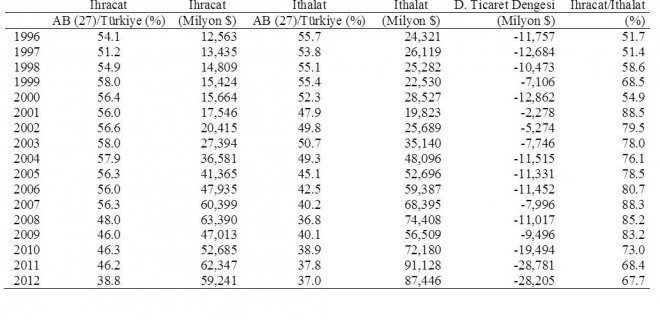
But there was a flip side. Globalization cut both ways. As exports grew, imports surged. The appetite for foreign goods outpaced production capacity in some sectors. The trade balance remained a tightrope walk.
Navigating the Crisis Cycle
Turkey didn’t escape turbulence. The 1997, 1998, 2001, and 2008 crises hit hard. Some were global. Others were domestic.
Each time, the answer involved the International Monetary Fund (IMF). Turkey signed agreements. It accepted conditions. It restructured debts. These weren’t voluntary partnerships. They were life support for a struggling economy.
The 2001 crisis was particularly brutal. It forced deeper structural changes. It exposed the fragility of previous reforms.
The 2005 Monetary Reset and Structural Reforms
In January 2005, the Turkish Lira underwent a major reset. Six zeros were removed. This wasn’t symbolic. It was about credibility. It made accounting easier. It signaled a break from the hyperinflation era.
Institutional changes followed. The Privatization High Council was established. State ownership in key sectors declined. The government reduced its direct economic footprint.
Central Bank independence became a priority. This was crucial. Banks needed to operate without political pressure. Monetary policy had to be insulated from short-term political gains.
GAP: Beyond Economics
The Southeastern Anatolia Project (GAP) is often misunderstood as just an infrastructure scheme. It is, but it’s more.
It is Turkey’s largest multi-sectoral development project. Its target is specific: the Southeastern Anatolia region. The goal is to close the development gap between this region and the rest of the country.
Strategies included economic and social development. Environmental protection was integrated into the planning. Job creation was a primary objective. Infrastructure development was the vehicle.
“The core of GAP rests on equity in development, environmental preservation, employment, and infrastructure improvement.”
Post-1980 Economic Legacy
The trajectory after 1980 is defined by two forces. Integration and instability.
Export incentives remained a constant. Support for the private sector continued. This consistency allowed exports to grow steadily. Tourism provided another steady stream of foreign currency.
The economic history of Turkey post-1980 is a record of transformation. It’s a history of fighting crises. The steps taken in 1980 laid the groundwork. They integrated Turkey into global markets.
But integration brings vulnerability. When global winds shift, emerging markets feel it first. The structural reforms of the 2000s tried to build buffers. They built independence. They built credibility.
Whether these measures were enough to withstand the next shock remains the question. The foundation is there. The cracks are visible.