



It started with ink on paper. Weekly newspapers in London first carried advertisements in the 17th century. By the 18th century, the practice was flourishing. People were buying things because they saw them mentioned. It was simple. It worked.
Fast forward to the 19th century. The mechanism got more complex. First advertising agencies popped up. Their job? Broker space in newspapers. They connected sellers with publishers. It was a middleman game. Then came the 20th century. Agencies stopped just buying space. They started creating the message. Copy. Artwork. The whole package. They didn’t just place ads; they engineered persuasion.
The Mechanics of Persuasion
At its core, advertising is a technique. A practice. It brings products, services, opinions, or causes to public notice. Why? To persuade the public to respond. A purchase. A vote. A donation. The goal is behavior change.
Most advertising promotes goods for sale. You see a car. You want to drive it. But the methods aren’t limited to commerce. Public service messages use the same playbook. Charities. Political candidates. Causes. The vehicle is the same. The fuel is psychology.
How Media Became the Product
In many countries, advertising is the most important source of income for the media. Think about that. The newspaper you read. The show you watch. The website you browse. It’s often funded by the ads you see or hear. Without ad revenue, the media landscape looks very different.
Advertisers are constantly choosing media. They want platforms favored by their target audience. You don’t pitch baby formula on a hardcore gaming forum. You don’t sell luxury yachts in a budget tabloid. Precision matters.
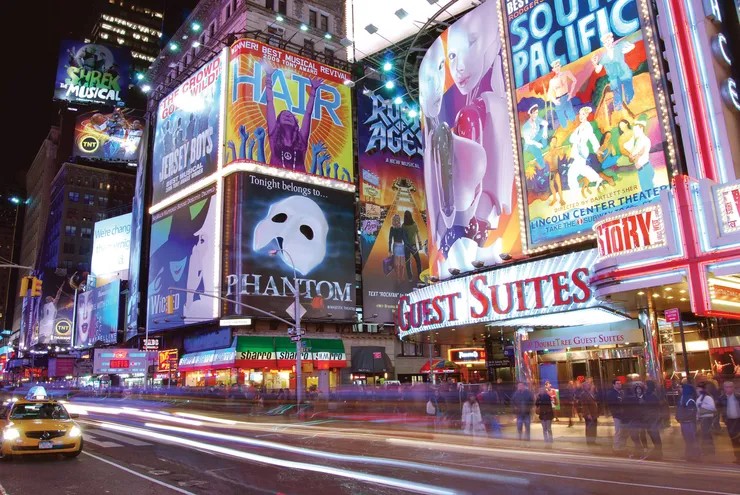
The list of venues is long. Newspapers. Magazines. Broadcast media. Direct mail. Billboards. Posters. Transit advertising. The Internet. Promotional items like matchbooks or calendars. The medium changes. The intent doesn’t.
Why It Matters For Your Wallet
Understanding this history helps you see the strings. When you see an ad, it’s not just information. It’s a transaction. The media outlet gets paid. The advertiser gets attention. You get persuaded.
The evolution from space-brokering to full-message creation shows how aggressive the field became. It’s not just about visibility anymore. It’s about shaping perception. Recognizing this shift is the first step in making better financial decisions. You stop being a passive recipient. You start seeing the trade-off.
Advertising is the most important source of income for the media in many countries.
The cycle continues. New media emerge. Old media fade. The core dynamic remains. Someone pays to speak. Someone listens. Someone buys. Or doesn’t.