



It isn’t the sun. It’s the settings.
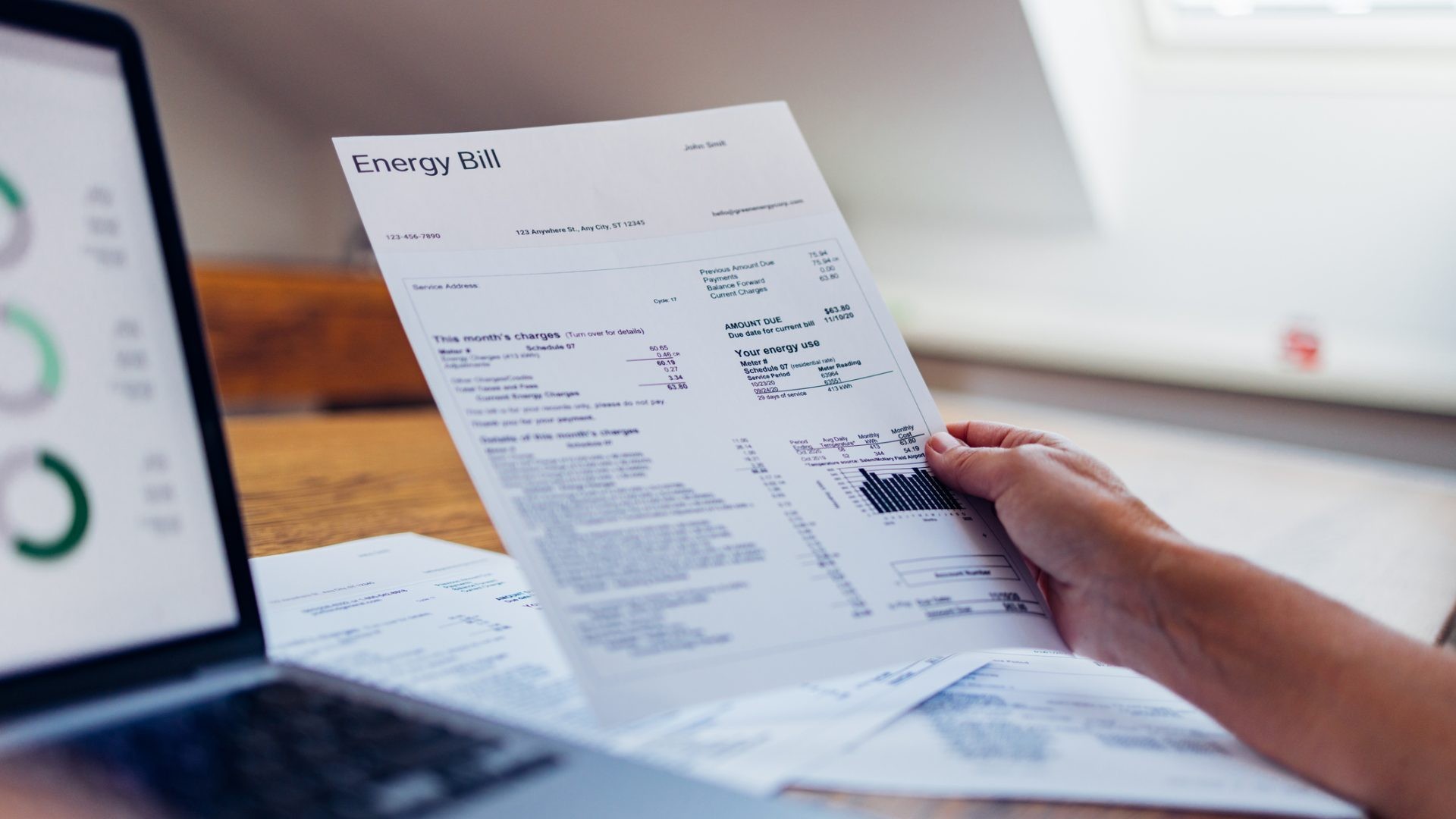
National averages don’t lie but they sure stings. According to Climate Power household bills jumped 13 percent in 2025. Third Way surveys tell a grimmer story—83 percent of people say prices have risen recently. Half say it was significant. People are mad. Advogados claim renewables are the answer but your neighbor didn’t wait for a new power plant to fix the leak in their wallet.
So why is their bill half yours?
They stopped bleeding money in specific places. Here is how.
The Brain You Forgot to Install
You keep heating an empty house. That is dumb. A smart thermostat fixes the logic.
“With a smart thermostat it’s easy to preprogram,” says Sequoya Cross from Briggs & Stratton. Think about it. Parents work. Kids are in school. Does the house need to be warm for ghosts? No. Drop the temp. Raise it when bodies come back.
The EPA says you save 8 percent annually. That is roughly $50. Cheap. Check for rebates. Most utilities will hand over cash just for installing one.
“For example when parents are at work and children are in school the home doesn’t have to bekept as warm in the winter.”
Blind Spending
Do you know which device eats the most? Probably not. Cross suggests a tool most ignore. A power consumption meter.
It costs under $25. Plug stuff in. See the drain.
Maybe your old fridge is a vampire. Maybe the printer. Know the enemy. Unplug it. Replace it if the drain is too deep. Ignorance costs money. Literally.
The Free Inspection
You haven’t audited your house. You should.
Christine Ciavardini of MD Energy Advisors points to the free audit. Many utilities offer them. Ask your landlord. Or go get it.
The auditor looks at leaks. Bad windows. Old gear. They find the holes in the ship. Fixing these spots can cut the bill by 20 percent. You didn’t even know the draft existed until they showed it to you.
Kill the Vampires
Vampire energy sounds like horror. It’s just electricity. Devices drawing power when off.
“Eliminate vampire energy draws,” Cross commands. Walk the rooms. Laptop. Printer. Coffee maker. Chargers. Unplug them.
TVs do it too. Game consoles sip power even when black. Toasters shouldn’t be plugged in overnight. It is silly to let them idle. Cut the cord.
Time is Money
Utility companies love peak hours. Surge pricing for electrons. You pay more when everyone else is using power.
“Off-peak hours… typically run from late evening to early morning,” Cross notes. Do laundry then. Run the dishwasher while you sleep. Meal prep in the dead of night.
Look at your bill for TOU—Time of Use. If you are running heavy appliances during peak hours you are throwing money at the wall. Wait it out. Let the grid breathe.
The Physical Tweaks
You can optimize the house without buying tech.
Open curtains. Let sun hit the floors. Close them at night. Keep the heat inside.
Leave the oven door ajar after cooking. Kitchen gets warm for free.
Change furnace filters. Clogged filters make the system work harder.
Lower the water heater to 120. Not 140. 140 is for people who like burning cash.
Seal the drafts. Cold air in means hot air out. The furnace runs more. It wears out faster. You pay double.
“Not only are you paying more… but you’re also causing your furnace… to put more wear and tear on it.”
The Truth
Your neighbor isn’t smarter. They just stopped leaking.
Start with one thing. The thermostat. The unplug. The audit.
The bills won’t vanish. But they might shrink enough to make you wonder why you didn’t fix this sooner. Who knew it was this easy?
Nobody. Which is why they’re still expensive.