


Travis Kalanick thought autonomous vehicles would kill Uber. A decade ago.
“If we weren’t part of that future… the future passes us by.”
He wasn’t wrong about the threat. Just the response.
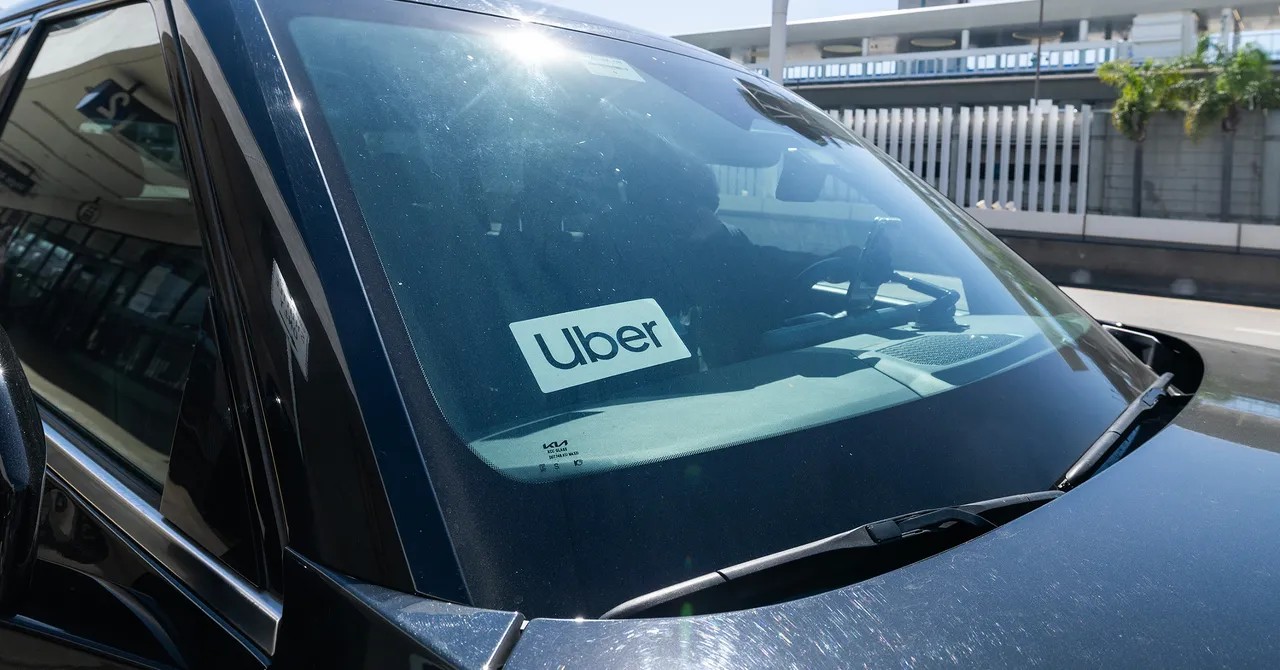
Uber stopped building its own robots. Now they want to be the plumbing for everyone else’s. CEO Dara Khosrowshahi sees themselves as the platform. The place where you catch a ride. Human driver or silicon one. It doesn’t matter to them.
“We think there are going be many AV players… we want to be the go-to.”
They’ve signed deals with twenty-five major robotaxi companies. Waymo. Baidu. VW.
But having the app isn’t enough.
Uber lobbyists want that dominance written into law. Specifically in New Jersey and Washington D.C. The goal is simple: force human and robot drivers to mix on “hybrid networks.”
In New Jersey, it gets weirder.
Uber pushed for language that would legally mandate human drivers handle eighty-five percent of all rides for three years. Any company offering driverless rides. That means Tesla. Waymo. Zoox.
They’d have to use Uber. Or Lyft. They couldn’t just launch their own app.
Does that sound like open market innovation? Or does it sound like protectionism dressed up as safety?
State Senator Andrew Zwicker’s bill for New Jersey is moving through the legislature. It includes rules requiring multiple sensors (bad for Tesla’s camera-only setup) and steering wheels (bad for Zoox’s boxy, wheel-less pods).
The Uber proposal? It’s not in the bill yet. But it was pitched by Uber lobbyists directly to the senator’s office.
In D.C. it’s similar.
A councilmember introduced a bill allowing robotaxis under specific conditions. Uber lobbyists emailed him beforehand. They wanted a guarantee that “hybrid networks” remain the rule. That human drivers aren’t replaced outright.
Uber claims this is about fairness. Spokesperson Noah Edwardsen calls industry proposals “largely unworkable.” He says other players try to lock out competitors. Create monopolies.
Edwardsen admits the New Jersey rule was a compromise. A way to get something passed despite union pushback.
Waymo disagrees. Spokesman Ethan Teicher said they don’t support limiting AVs to specific network types. They want options.
Funny considering they are partners. Uber sells exclusive Waymo rides in Atlanta. But things are souring. Uber’s CTO posted a video calling a Waymo moment “scary” because it almost hit a bus. They ended a pilot in Phoenix last month.
Waymo is winning the tech race. Half a million rides a week in eleven cities. Expanding to London soon.
Uber isn’t competing on tech. They’re competing on rules.
Their policy paper argues for a “phased transition.” Slow integration. Human drivers alongside robots. They cite California where driver earnings dropped because one robot does the work of four humans.
“The path forward should be… grounded in shared responsibility.”
It sounds noble. Until you realize shared responsibility just means keeping humans in the loop long enough for the platform to stay indispensable.
Uber’s testimony in D.C. next week will hammer this point. Humans are already being squeezed. Robots are the wedge.
Or so they claim.
The bill might pass. The lobbying might fail. The laws are messy and abrupt and full of holes.
But the intent is clear. Don’t let the future drive alone.
Or don’t let anyone else profit from it if it does.