




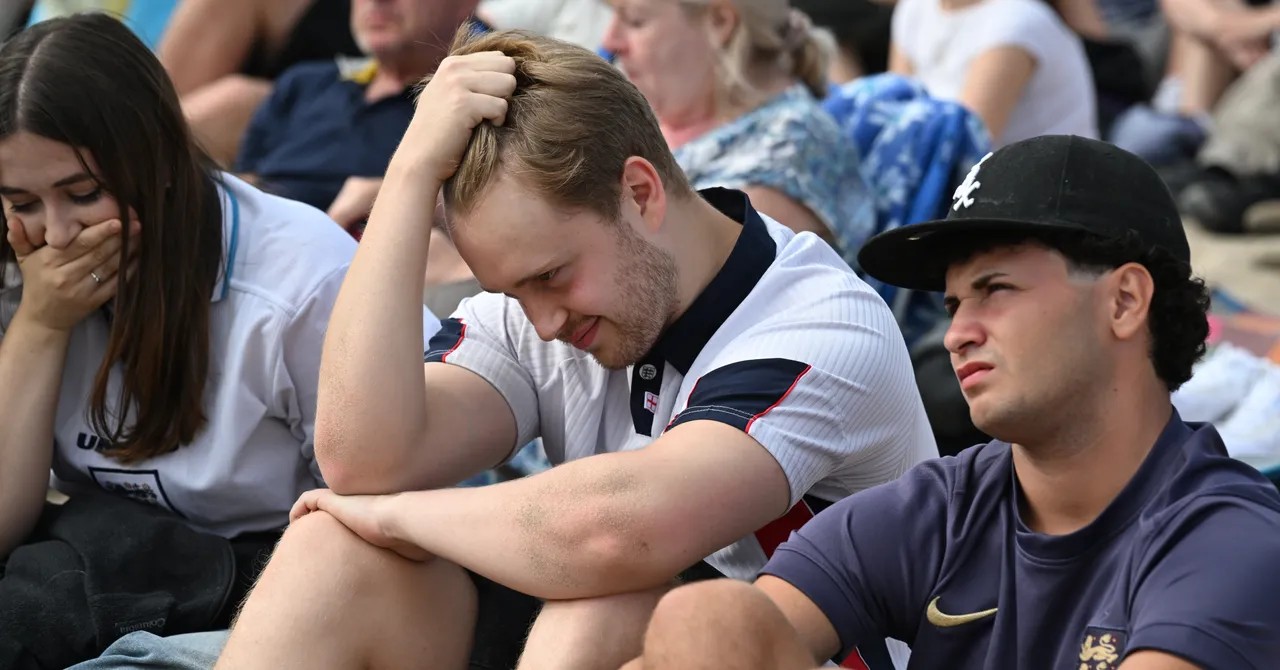
You think you’re ready.
You aren’t.
Especially if your team actually makes the final run for 2026. The couch doesn’t save you. Science says sitting in your living room still demands work from your body. Lots of it.
A new study out of Germany tracks the physical toll of watching a big game. Specifically, they looked at 229 fans supporting Arminia Bielefeld over a three-month period. The researchers made everyone wear smartwatches to log heart rates and stress indices via heart rate variability data. They compared a normal weekend against the day of the 20 German Cup final in 2025.
The numbers are ugly.
Stress levels jump roughly 41% on final day compared to baseline. Heart rates tick up too. Sitting around? Average rests at 70.9 BPM. During the match? 78.7 BPM.
That spike starts before the referee blows the whistle. Morning anxiety. Anticipation. Stress peaks right before kickoff and lingers after the final whistle blows. It doesn’t just stop.
Location changes the data significantly.
Those inside the stadium suffered more. Average heart rate hit 94.2 BPM. Home watchers? Closer to 79.4. When Arminia scored first, the crowd in the stands hit an average of 108 BPM. That is a physiological surge most of us rarely experience outside of actual danger.
Then comes alcohol.
Participants who drank during the match saw heart rates jump roughly 5% higher than sober fans. After the first goal, that gap widened to nearly 12%. The researchers didn’t flag medical risks directly but noted that combining alcohol with high emotion puts extra strain on the cardiovascular system. It’s a double hit.
Uncertainty drives the hardest response.
Heart rates peak in the opening minutes. No scoreline yet. Any outcome possible. Once one side dominates? Rates drop. The tension breaks. But wait until the final minutes. Two goals happened late. Comeback chances? Basically nil. Hearts still spiked. Why? Hope. Pride. Attachment. The body ignores odds when emotions take the wheel.
This isn’t new knowledge.
A New England Journal of Medicine study after the 200 World Cup showed that fans with preexisting heart conditions saw their risk of acute cardiac events nearly triple during German national team games. Stress hormones like cortisol surge. The more you identify with the team, the harder your body reacts. It’s tribal biology.
“The body responds not only to objective chances of winning but to emotions like hope or pride.”
It’s messy. It’s unhealthy. You do it anyway.
Because watching isn’t just seeing. It’s feeling every second in your chest.