




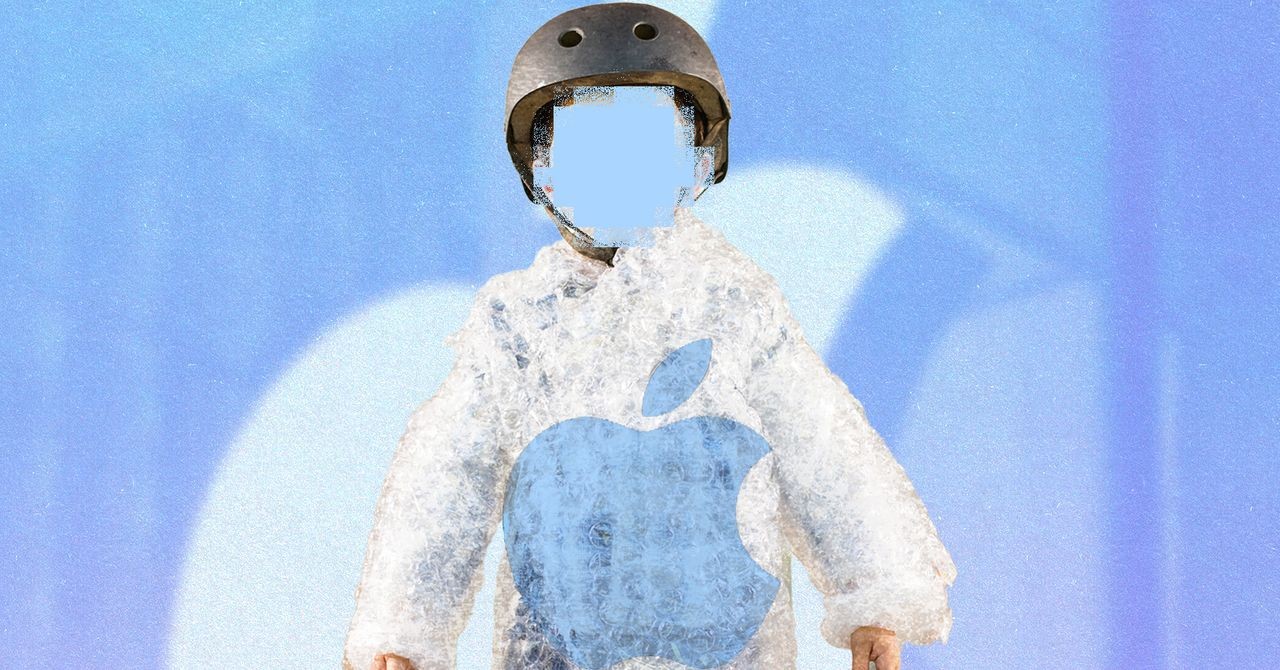
June. WWDC. The stage lights hummed. Apple spent ten minutes talking about child safety.
Sarah Gardner watched it happen. From a tree. Literally.
She had been tied to that tree outside Apple Park for five separate protests. Five times. She kept showing up because, as the founder of the Heat Initiative, she believes Apple ignores its role in a child’s digital life. But this time the script flipped. They didn’t look away. They answered.
“It was a huge win,” Gardner said. Ten minutes. A number unheard of a few years back. Apple used to hide behind a wall of ‘we make hardware’ defensiveness. They stayed quiet. Absent, even. Now, lawsuits from states like West Virginia—accusing Apple of safeguarding CSAM—have forced a hand. Pressure works.
Apple tried to ignore that they were part of a kid’s online experience for a long time.
Is it groundbreaking? Probably not. Gardner calls it a positive step. But there is history here. Remember the photo-scanning tool? Apple announced it. Privacy experts screamed it was surveillance. Apple killed it. They claimed it wasn’t practical.
Now they are pivoting again. Not with scanners. But with filters. And blocks.
And then there is the App Store problem. Nudify apps. AI strips clothes off photos. WIired found 47 of them earlier this year. Apple says they ban them. Yet Grok sits there. It still hosts deepfakes of celebrities. Gardner pointed this out. Apple didn’t remove it.
When asked, Apple stayed silent on Grok. Instead, they pointed to Communication Safety. They pointed to new reporting tools. They promised privacy and safety. A tricky sell. Anunay Kulshrestha of Infosec Clinic doesn’t buy the nostalgia for the failed scanning tech. He sees government coercion waiting to happen. Apple defers to states. That hasn’t changed.
What’s actually new in iOS 27
The rollout comes late this year. iOS 27. iPadOS. macOS. Same ecosystem. Same changes.
The account setup gets shorter. Six minutes to get a kid online under 13. Or 18. Parents pick the starting line. A barebones device with a few essential apps? A curated set? Manual control? The choice is there. You can add more later.
Then comes Ask to Browse. It mirrors Ask to Buy. Want to visit a site in Safari? Ask a parent first. A ping goes to their device via Messages. Approval. Or no. It stops the random wandering.
Contacts work the same way. Default off for new faces. Kid wants to save a number in Phone or FaceTime? The parent gets the ping. They approve it right there in the thread. No more hidden DMs starting silently.
The existing nudity filter in Communication Safety expands. Before, it caught naked pixels in Messages and FaceTime. Now? Gore too. Violent content gets blurred out. It even hits Shared Photo Albums. Contact Posters get checked. It runs automatically for anyone under 18.
Screen Time gets a rethink. Apple looked at the American Academy of Pediatrics for guidance. Time allowances suggest limits based on age and category. Games. Social Media. Entertainment. Parents can tweak it. Block gaming during school. Pause the phone for dinner with one tap. The interface was redesigned to show usage at a glance. Less digging.
Small tweaks add up. Notifications every time a kid enters the Screen Time passcode. New reporting buttons in the US, UK, Australia, and Brazil for CSAM and bad content. A new website to explain it all.
Apple claims industry-leading safety. They promise privacy protection. They have the tools. They have the rules.
Garden still hangs out by the tree. The lawsuit lingers in West Virginia.
Do they have the perfect solution?