




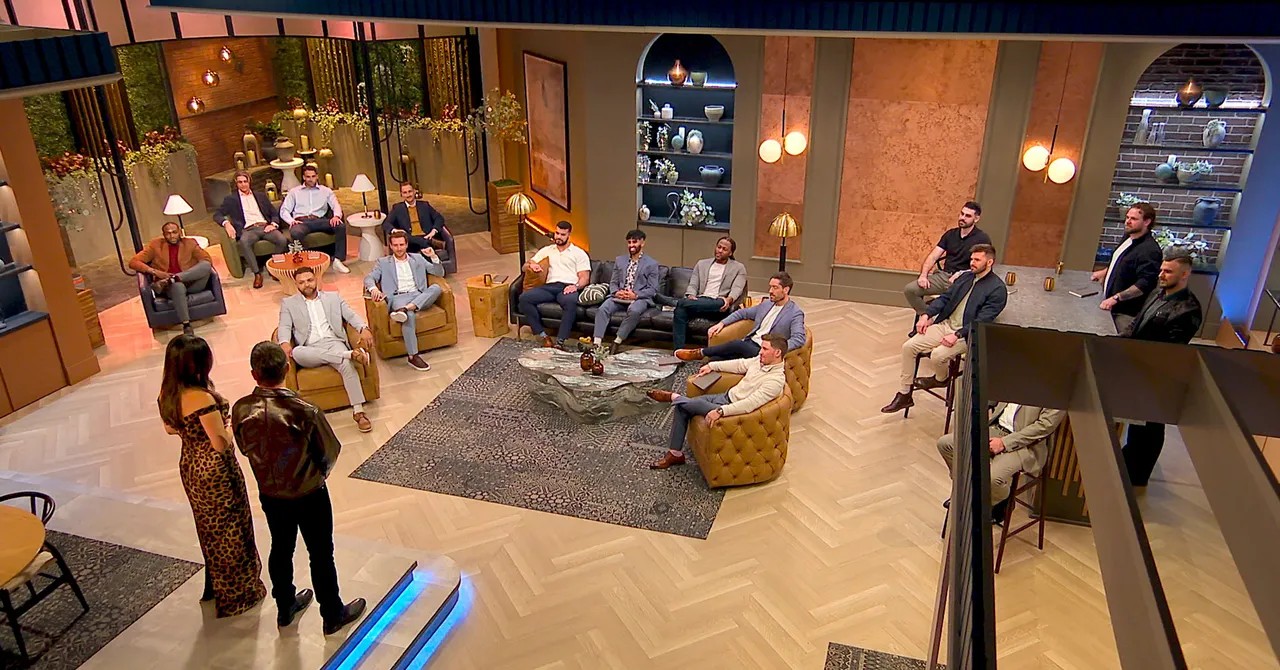
Netflix has successfully carved out a massive niche in the reality television market, moving away from the traditional, highly scripted formats of network TV to create a global dating phenomenon. However, as the genre expands, it is colliding with deep-seated cultural and political divisions that are reshaping how audiences—and contestants—approach modern romance.
From “Contrived” Classics to Global Hits
When Brandon Riegg joined Netflix a decade ago, his primary benchmark was ABC’s The Bachelor. Riegg viewed the traditional network model as “contrived,” characterized by artificial group dates and staged settings like Italian chateaus. His goal was to pivot toward something that felt more aligned with modern dating dynamics.
This strategy paid off with the 2020 debut of Love Is Blind. The show has since become a cornerstone of Netflix’s nonfiction slate, boasting:
– 215 million views globally.
– Expansion into nine international markets.
– A diverse portfolio of spin-offs and new concepts, such as Love on the Spectrum and Age of Attraction.
The “Manosphere” and the Political Divide
Despite its commercial success, Netflix’s dating shows have faced growing criticism regarding the profiles of the men participating. Recent seasons of Love Is Blind have featured contestants whose ideologies lean heavily into the “manosphere”—a collection of online subcultures often characterized by hyper-masculinity and conservative social views.
Specific instances have raised eyebrows among viewers:
– Ideological Alignment: Contestants have openly identified with controversial figures like Andrew Tate or expressed strong support for Donald Trump.
– Behavioral Friction: Issues ranging from “dominance” displays to disagreements over fitness and lifestyle have created significant on-screen tension.
– The Political Filter: The friction is not just on screen; it is affecting the dating pool itself. Data from a 2025 survey by DatingAdvice.com and the Kinsey Institute suggests that politics is a primary driver for rising celibacy among Gen Z women, with 64% of voluntarily celibate women citing political reasons.
When asked if Netflix is intentionally casting conservative personalities to capture a specific demographic, Riegg maintains a stance of neutrality. He attributes the variety of political leanings to the “luck of the draw” based on where filming takes place—ranging from liberal hubs like Washington D.C. to more conservative areas like Ohio.
The Challenge of Finding “Quality” Participants
Riegg admits that the difficulty in finding “quality men” is not just a production hurdle, but a broader societal trend. He notes a personal imbalance in his social circles, observing that while he has many great female friends, finding suitable male counterparts for them is increasingly difficult.
This scarcity of “ideal” partners complicates the producer’s job:
1. Story vs. Substance: Producers often prioritize “story” (conflict and drama) over deep screening, which can lead to polarizing personalities making it to air.
2. The Duty of Care: As reality TV faces scrutiny for being exploitative, Riegg emphasizes Netflix’s “duty of care,” which includes providing cast members with access to therapy to manage the psychological pressures of fame and public scrutiny.
Conclusion
As Netflix continues to dominate the reality dating genre, it faces the complex challenge of balancing high-drama entertainment with the shifting social and political realities of its audience. The tension between “authentic” dating and the polarizing ideologies of its participants suggests that the future of reality TV will be as much about navigating cultural divides as it is about finding love.