




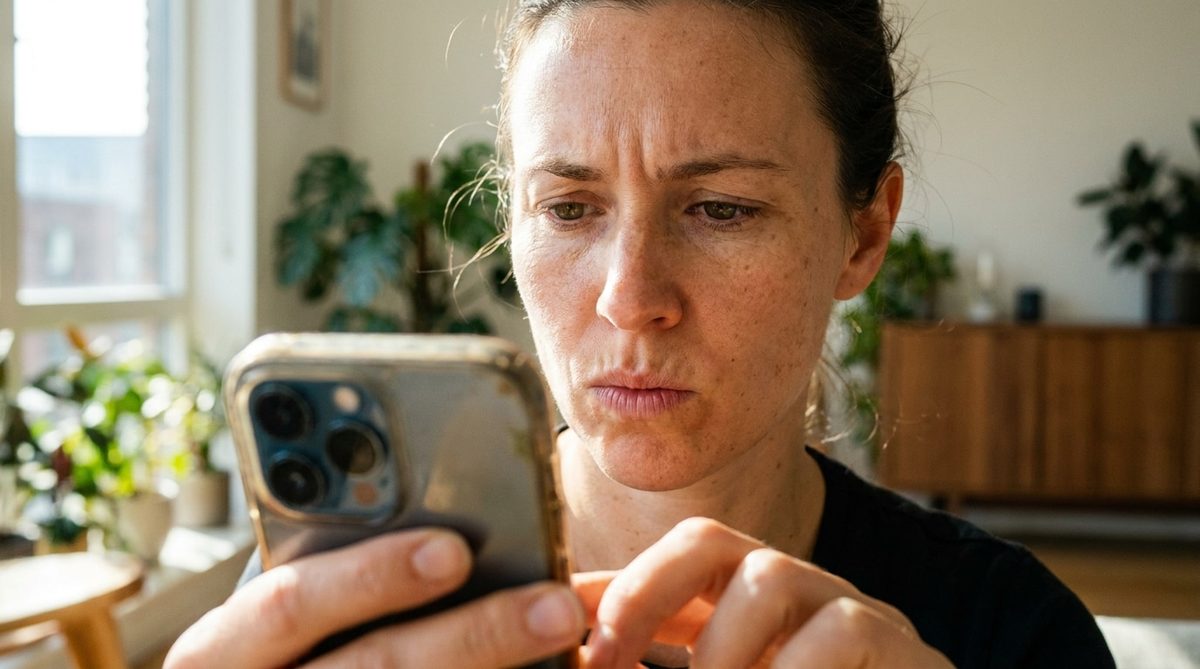
Buy pruning shears online. The transaction will be settled immediately. It feels effortless. We return the soil and seeds the next day, but the total price is the same. Suddenly a window appears. SMS code or bank app authorization required.
Are you angry? Yes. random? No.
This discrepancy is not a fault of the seller’s system. It is a thoughtful algorithmic response to Europe’s strict regulations and risk scoring models. The bank’s servers calculate the probabilities in milliseconds.
PSD2 instructions change network security
The rules of online finance have changed since the revised Payment Services Directive (PSD2) came into force in 2020. The goal is simple. It’s about preventing fraud. This approach is very new and is called strong customer authentication (SCA).
Before PSD2, entering the card number, expiration date and CVV code was enough. Those days are over. Currently, sellers must check two out of three factors.
- Information you know (password/PIN).
- What do you own (phone/device).
- Who are you (biometrics)?
This creates a “friction layer”. It slows down the buying process. A step is added. But it also builds walls around money. If your card information is stolen, the thief cannot get around the other person. they got caught.
Why checkout is often skipped for small purchases
This is the confusing part. Why can some small purchases be made without a code? Why do others trigger immediately?
The answer can be found in the 30 euro standard.
European regulations allow an exception for “small transactions”. If the amount of the transaction is less than 30 euros, banks can “choose” to skip the strong authentication step. There is no need to skip this. Optional.
The purpose of this exemption is to ease the burden of small, everyday purchases. You do not need a text message code to buy a 10 euro seed pack. The risk of fraud is low in 10 euro transactions. Checking every little purchase is expensive for banks and annoying for users.
Therefore, when you buy a small product, the bank’s algorithm evaluates the risk. If it looks good, the exemption is valid. Money is mobile. you are happy
Hidden counters: Why 5 small purchases increase security
This is where the confusion intensifies. Buy 5 products in a row for less than 30 euros. Everyone seems safe. Everyone uses exemption.
Then in the fifth transaction or when the total amount is 100 euros, the system forces authentication.
This is not random. This is a Transaction Risk Analysis (TRA) rule that runs in the background.
Banks follow patterns. If you pass security five times in a row, you will be flagged. It also informs you if your cumulative spending on small transactions reaches 100 euros.
The logic is sound:
- A single purchase of 25 euros can be less risky.
- 5 purchases of 25 euros equals 125 euros. This was a huge transfer of funds without adequate confirmation.
- Even if an individual purchase is small, the system involves greater risks.
The exemption is canceled when the counter reaches 5 transactions or 100 euros. The “wall” fell again. Get an SMS code. Confirmation is forced.
How to prepare for strong customer identification
Understanding this mechanism will help you stop fighting the system. This is not your phone. It’s not a merchant. It is the bank’s risk engine.
Here’s how to better manage this issue:
– Keep your mobile device ready. ** Make sure your banking app is updated. SMS codes may be delayed. App-based authorization is faster.
– Don’t panic about pop-ups. ** If you are suddenly asked to enter a code for a small purchase, check if you have made a small purchase recently. It is possible that the counter has just been reset.
– Use a trusted device. ** Authentication works best when the device is recognized. Logging in from a new computer or mobile phone usually triggers a full check regardless of the amount.
– Note the limit of 30 euros. ** If you buy in bulk this season, expect friction after a few small orders or after reaching 100 euros.
This system is designed to protect you. Sacrificing speed for safety. Sometimes the speed is just there. Sometimes it isn’t. It’s the math that counts.
We hope you receive text messages. Or app notifications. Buy and wait. It is safe and effective.
How merchants can use AI to avoid 3D security friction
The payment process is rarely just between you and your bank. This is a three-party negotiation involving the merchant, the payment network and the customer. Behind the scenes of the network, retailers are actively optimizing one thing: Preventing cart abandonment. If you go to buy plants and soil in the spring, but get stuck due to slow verification, you won’t miss out. Retailers such as Leroy Merlin, Jardiland and Botanic know this. They lobbied the banks for technical exemptions to streamline the process.
The rules allow sellers with a high cybersecurity rating to request an exemption from the authentication step. If banks can trust the store’s security attitude, the administrative burden can be reduced. The goal is simple. Eliminate friction. Speed up transactions.
A 0.25 second risk assessment determines whether the code is visible or not
Dynamic risk analysis is performed before loading the 3DS screen. It happens in a second. Algorithms profile your behavior. They check your IP address. They track your location. They will find out what time you usually order. They look at your past transaction history.
If the data shows that everything is fine, the risk score will decrease. The Enhanced 3D Secure 2.0 protocol usually disappears completely. There are no obvious obstacles to making payments. There are no one-time passwords. No additional registration is required. Just seamless approval. Your digital footprint looks consistent, so the system assumes who you are.
Why you need strong initial authentication for recurring payments
Orders work differently. The first payment is the most critical moment in fraud detection. This initial payment allows the seller to repeatedly withdraw funds. Currently, regulations require strict customer identification (SCA) due to the high risk of fraudulent payments. Cannot be skipped. Your bank’s confirmation will appear on your screen, indicating your consent.
This step is non-negotiable. Prove your identity to get a continuous contract. The situation is reversed when persistent session is established in the banking agreement.
How automatic recurring billing goes smoothly after the first step
Subsequent payments for the same service are less suspicious. Banks are aware of this pattern. They record recurring and predictable expenses. Safety bar removed. The money was quietly taken away. You will not receive blocked transactions. This process is transparent to the user and is based on the trust that is built during the initial strong authentication process.
The trigger forces another confirmation check
Once you understand what causes the “trusted” status to reset, you can log in faster. Some special triggers force new authentication steps. A digital certificate is required for every single product worth more than 30 euros. This is a strict rule of the PSD2 regulations. Changing your browser’s privacy settings also resets the trust counter. The bank saw the new environment and asked for identification again.
Best practices for faster checkout when your bank is tight
Prediction is the best defense against a friction. Keep your banking application up to date and on your device. Use biometrics (fingerprint or facial recognition) to eliminate manual code entry. Proactively adjust your personal finance interface settings. These small steps can help prevent authentication delays during risky purchases.
The hidden logic behind the checkout experience
It is not a malfunction if the security message comes unexpectedly. This is a feature of the PSD2 risk engine. This system is designed to protect every network transaction, making your network more reliable than ever before. You can overcome friction and learn how to use algorithms. This choice determines how quickly you will receive your new garden set.