



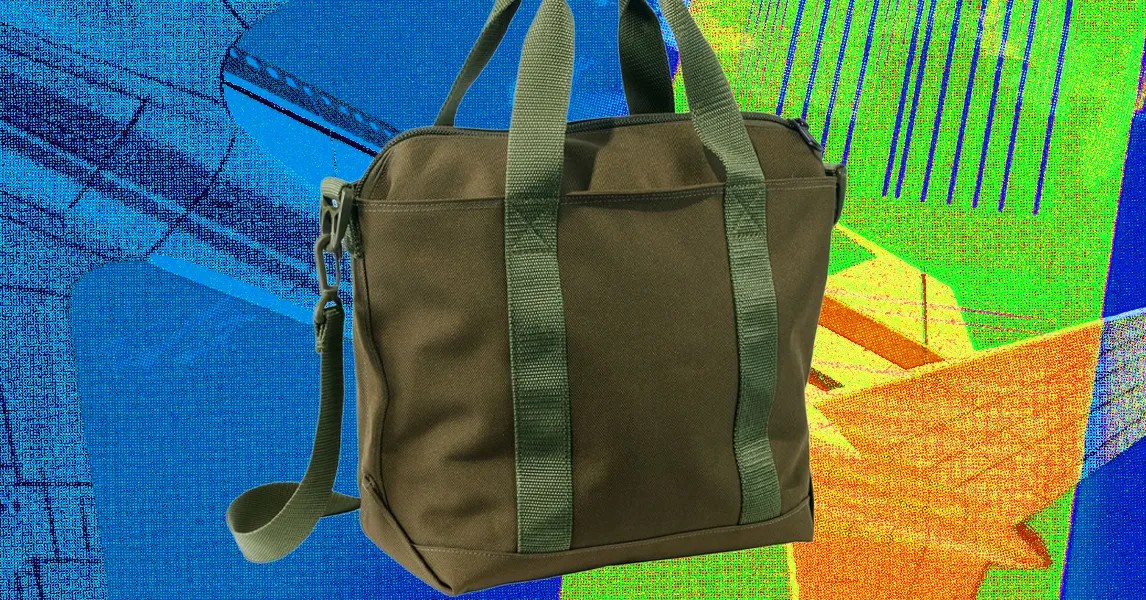
L.L.Bean’s Zip Hunter’s Tote is the one you need. Period.
WIRED’s gear-obsessed team spends a lot of time talking about bags. EDC setups, minimalist slings, the usual tech-bro carryall debate. But today I’m talking about mine. Michael Calore’s weekly ride. And honestly? It’s the most underrated bag on the market.
Every Sunday I ride my electric cargo bike to Rainbow Grocery. It’s an hour from the co-op, about a mile from my garage. The bag goes with me. Always. It’s a heavy, zip-up tote from L.L.Bean. Reinforced bottom. Water-resistant lining. Built for chaos.
Rainbow has been in San Francisco since 1980. No wait—1975. It’s an old-school hippie coOp. The food isn’t wrapped in cellophane like at Kroger. There are no plastic clamshells holding your strawberries hostage. The chicories have dew on them. The chanterelles are still stuck in decaying leaves. The beets? They’re messy. Earth clings to them.
This isn’t food you pick up lightly.
You pick it up with your hands. Or rather, you put it into my Zip Hunter’s Tote.
“The bag doesn’t just hold food. It holds the truth of where food comes from.”
Let’s talk specs.
The material is 1,200 denier polyester. That’s heavy-duty stuff. I’ve checked it on a dozen flights as luggage. No scuffs. No tears. No nothing. It survives the baggage belt like a champ.
The zipper? It’s not sealed. Not a problem. It’s thicker than most zippers you’ll see on a designer jacket. Rain hits it and bounces off. Or just gets absorbed by the raincoat you’re wearing. Who cares?
The real trick is the interior.
A thin layer of thermoplastic coating lines the entire bag. It’s meant to keep rain out on duck hunts in the Maine woods. I’ve never duck-hunted. But I have taken it canoeing. I ride through SF fog. Electronics go in there. Guitar cases go in there. On drizzly mornings, my gear stays dry.
But that’s not the primary use case.
For me? The bag keeps the mess in.
Last week I went car camping. Tent. Boots. Rain shell. Ground cloth. Classic kit.
The last day, Mendocino rain poured down. My tent was soaked. My boots had thick mud packed into the treads. My ground cloth looked like it had been rolled through a pine forest. Wet leaves. Bark. Pine needles.
I didn’t care.
I shoved the wet mess into the tote. Zipped it. Threw it in the backseat of my rental car.
The upholstery stayed dry. The rental car company never knew I’d dragged swamp debris through their cabin.
Back home? I emptied the bag. Flipped it inside out. Hosed it off. Done.
Two heavy plastic tabs sit on the zipper ends. They clip the shoulder strap into place. I don’t use the strap. It flails around. Gets in the way. But those tabs are perfect for hanging the bag to dry. Simple utility. No nonsense.
Sizing matters
The tote comes in three sizes. Medium. Large. Extra-Large.
I got the XL. 53 liters.
That sounds absurd for a tote. It’s not. When you set it on the ground and prop the top open, you’ve got a flat 10 by 19-inch space. That’s useful. It stands up on its own. The reinforced bottom keeps it from collapsing under twelve cans of LaCroix or a stack of muddy boots.
Don’t get the small one.
No frills. No fuss
There are no exterior pockets. No padding. No laptop sleeve. No mesh windows for easy viewing of your contents.
It’s just a bucket with a zipper.
A bucket that survives.
If you’re looking for aesthetic balance or soft touch-points, go elsewhere. This bag is for dirt. For wet things. For hauling groceries from a hippie co-op while your bike drips condensation onto the sidewalk.
Why do we wrap so much of our life in soft, padded sleeves? Maybe things should get messy once in a while.
Anyway. The bag waits in my garage. Next Sunday, we ride.