



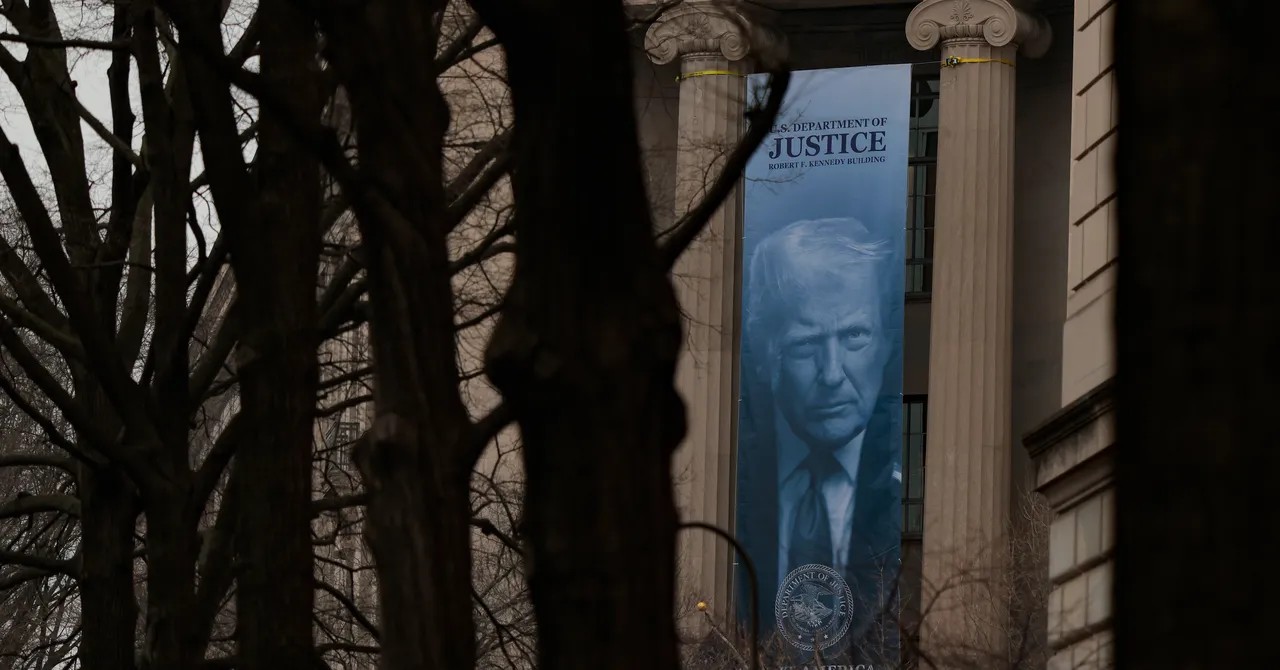
The U.S. Department of Justice (DOJ) is facing scrutiny after admitting that it provided inaccurate information to a federal judge regarding its handling of sensitive voter registration data. The revelation has intensified concerns among election officials and privacy experts about the administration’s motives and its management of highly personal information.
The Discrepancy in Court
During a recent hearing in Rhode Island, Eric Neff, the acting chief of the DOJ’s voting section, told U.S. District Judge Mary McElroy that the agency had not yet utilized the voter roll data it had collected from various states. Neff claimed the data—which includes Social Security numbers, driver’s license numbers, dates of birth, and addresses —was being kept separate to ensure strict compliance with the Privacy Act of 1974.
However, a subsequent court filing on March 27 revealed that these statements were incorrect. The DOJ admitted that it has, in fact, begun pooling this nonpublic data and performing internal analysis to identify “duplicate and deceased registered voters.”
A Push for Unredacted Data
This legal friction is part of a broader, aggressive campaign by the DOJ to compel states to hand over unredacted voter rolls.
- The Scope: Last May, the DOJ sent inquiries to election officials in 48 states and Washington, D.C.
- The Legal Battle: While some Republican-led states complied, many others resisted, leading the DOJ to sue 30 states to force disclosure.
- The Judicial Response: So far, the courts have largely sided with the states, with judges dismissing similar lawsuits in California, Michigan, and Oregon.
Security Risks and Privacy Concerns
The core of the dispute lies in the extreme sensitivity of the information requested. State election officials argue that unredacted voter rolls are a goldmine for identity thieves.
“If someone has any of these three data points on any of us—Social Security number, driver’s license number, or date of birth—they can wreck us financially,” warned David Becker, head of the Center for Election Innovation and Research.
Critics point out a significant lack of transparency regarding:
1. Storage: Where this massive amount of sensitive data is being kept.
2. Security: How the data is being protected from breaches.
3. Access: Who within the government is permitted to view it.
Shifting Priorities at the DOJ
The controversy highlights a perceived shift in the DOJ’s Civil Rights Division. Observers note that the voting section has moved from its traditional role of protecting voting rights to a focus on identifying potential “irregularities”—a move many link to the Trump administration’s broader efforts to challenge election integrity.
Furthermore, while the DOJ has denied plans to create a national voter database, a recent executive order by President Trump directs the Department of Homeland Security (DHS) to do exactly that. Notably, Neff admitted in court that the DOJ would be willing to share its collected data with the DHS.
Conclusion
The DOJ’s admission of providing inaccurate information to the court has raised serious questions about the competence and transparency of its legal leadership. As states continue to fight these mandates, the tension between federal oversight and state-level data security remains a critical flashpoint in American election administration.