




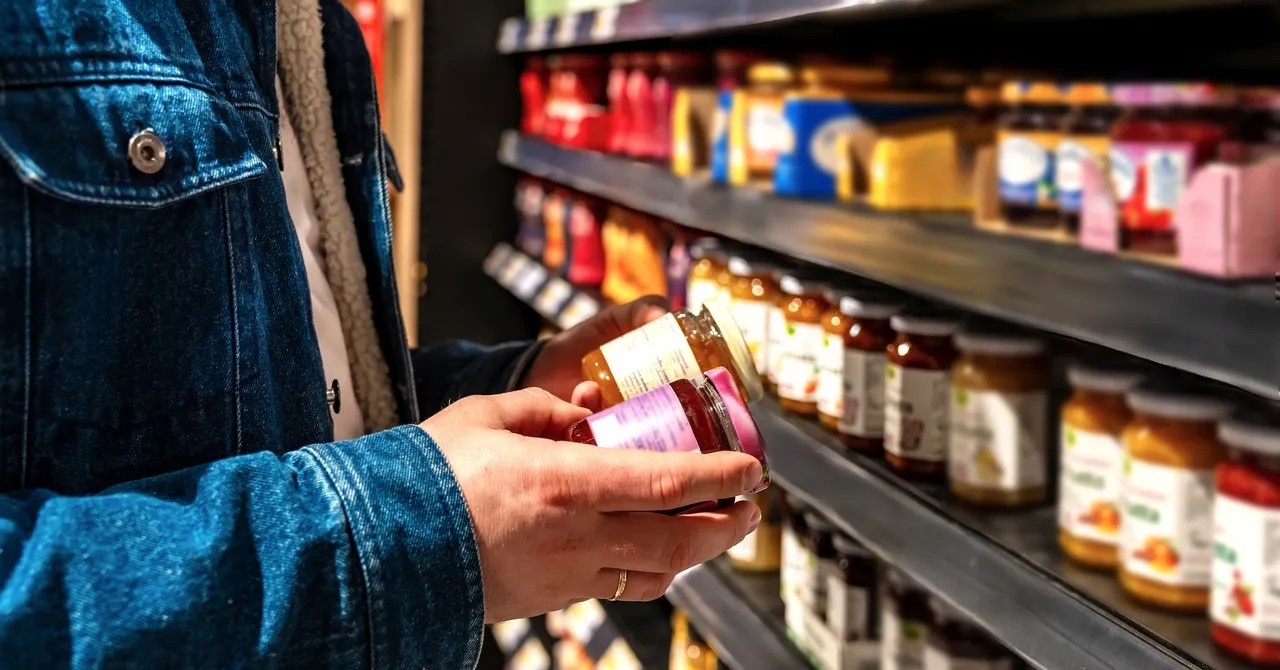
You look at the label. Potassium sorbate. Citric acid. Vitamin C. It sounds clean enough, doesn’t it? Maybe even healthy.
But those letters and numbers? They aren’t there for your wellness routine. They’re industrial shields against spoilage. And right now, we might be eating our way into a cardiovascular dead end.
“Experimental studies suggest some preservative additives may harm cardiovascular health, but human evidence has been scarce,” notes Anaïs Hasenböhler.
That’s the gap this study aimed to fill.
The Numbers Don’t Lie (Even If We Don’t Want Them To)
A team from Sorbonne Paris Nord University dug into the NutriNet-Santé data. We’re talking 112,399 participants. Seven-and-a-half years of dietary tracking. Massive.
Almost everyone in that group—99.5 percent—ate preservatives during the first two years. Nobody is getting off the hook here.
The researchers split the additives into two buckets:
1. Non-antioxidants (sorbates, nitrites, sulfites). Think mold stoppers.
2. Antioxidants (ascorbic acid, citric acid). Think color saviors.
Here is the punchline.
People gobbling up the highest amounts of non-antioxidant preservatives faced a 29 percent higher risk of high blood pressure compared to those eating the least. Add another 16 percent to your odds of cardiovascular disease. Heart attack, stroke, angina—the works.
Wait. Antioxidants are supposed to be the good guys. Right?
Wrong. Those consuming the most antioxidant preservatives saw a 22 percent hike in hypertension risk.
Eight specific preservatives jumped off the page as hypertension triggers. Potassium sorbate (E201). Sodium nitrite (E25). Even citric acid (E33). And ascorbic acid? Linked to broader cardiovascular issues too.
During the study, 5,544 people developed high blood pressure. 2,450 hit major cardiovascular events.
The chain is visible: Preservatives likely drive blood pressure up. High blood pressure breaks the heart. It’s not just correlation screaming coincidence; 16 percent of that risk runs through hypertension directly.
Regulations Need a Wake-Up Call
Sure. It’s an observational study. No smoking gun proving causality.
The crowd was 79% women. Highly educated. Not exactly a mirror of the entire global population. The data isn’t perfect.
But the models accounted for noise. Sensitivity analyses held firm.
“Authorities like the EFSA and FDA need to reevaluate risks versus benefits for better consumer protection.”
Mathilde Touvier didn’t mince words.
If the science says these “safe” ingredients nudge our bodies toward damage over a decade, who’s watching the gatekeepers? Additives pile up. We eat lunch. Then dinner. No cumulative limit exists. Just individual safe doses stacked endlessly on a plate.
We keep favoring ultra-processed convenience. Meanwhile, our arteries pay the price.
Is it time to rethink what “safe” means when the long-term bill arrives in the form of a stroke?
Probably.
But we’ll keep reading labels anyway. Maybe hoping for a miracle ingredient instead of just… not eating processed food at all.