




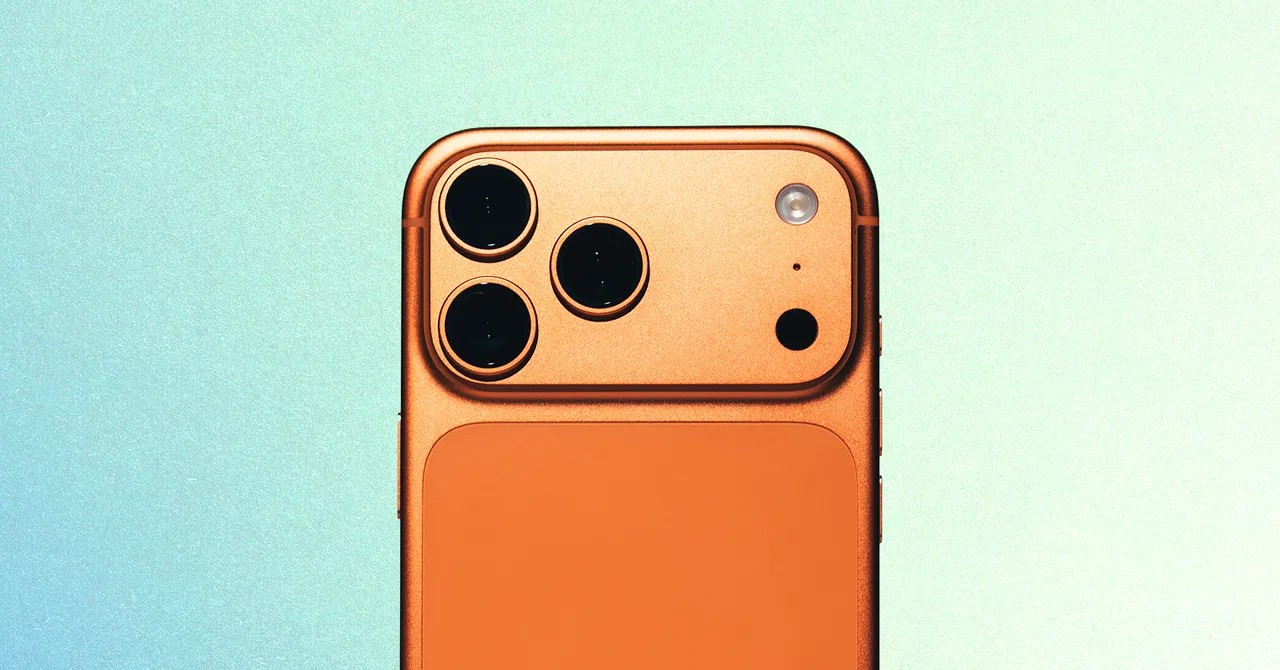
A new report suggests that despite recent technological advancements, the ability for consumers to repair their own devices is facing significant hurdles. According to the latest “Failing the Fix” report released by consumer advocacy group US PIRG, the smartphone market is struggling with low repairability scores, with Apple and Samsung leading the bottom of the rankings.
The Rankings: Who Leads and Who Lags?
The report provides a comparative look at how major manufacturers design their hardware and software. The results show a stark divide between different brands:
Smartphones
- Motorola: B+ (The industry leader in this category)
- Google: C-
- Samsung: D
- Apple: D-
Laptops
While laptops generally scored higher than smartphones, the gap remains significant:
– Asus: B+
– Apple (MacBooks): C-
While Apple’s smartphone score has improved from an “F” in 2022 to a “D-” today, it remains one of the most difficult devices to maintain.
Why are scores dropping? The “Transparency Effect”
At first glance, it might seem counterintuitive that repairability scores are lower than in previous years, especially as companies have begun offering more public repair manuals and spare parts. However, the report clarifies that this isn’t necessarily because products are getting worse, but because measurement is getting better.
New regulations in Europe and France have forced a level of transparency that didn’t exist before.
– French Law: Requires products to be labeled with a repairability score based on ease of disassembly, availability of tools, and the cost of spare parts.
– EU Regulations: The European Product Registry for Energy Labelling (EPREL) now tracks factors like battery endurance, waterproofing, and durability.
Because companies must now self-report these technical details, the “hidden” difficulty of repairing modern devices is being brought to light.
The Hidden Factor: Lobbying and Software
US PIRG’s methodology goes beyond just checking if a screw can be removed. The group also considers corporate political activity.
“If you’re buying your equipment from a company that’s spending their money to lobby against your right to repair that thing, that doesn’t speak well for their support,” says Nathan Proctor, senior director of the US PIRG campaign for the right to repair.
The report “docks points” for companies that actively lobby against right-to-repair legislation. This creates a conflict of interest: a company may provide the tools to fix a phone, but if they simultaneously fight laws that would make repair easier for everyone, their overall “repairability” score suffers.
Furthermore, software support plays a critical role. A device might be physically easy to fix, but if the software becomes obsolete or prevents the use of third-party parts, the device becomes effectively “unrepairable” in a practical sense.
The Environmental Stakes
The push for repairability is not just about saving money; it is a fight against electronic waste. The current cycle of “planned obsolescence”—where devices are discarded every few years because they are too difficult or expensive to fix—is viewed by advocates as environmentally unsustainable.
The goal of these rankings is to shift the industry focus away from constant hardware iterations and toward durability and longevity. By exposing these scores, advocates hope to pressure manufacturers to innovate in ways that actually benefit the consumer and the planet, rather than just pushing new features.
Conclusion: As transparency laws in Europe force manufacturers to reveal the true difficulty of maintaining their devices, the industry faces increasing pressure to prioritize long-term durability over rapid replacement cycles.