


AI is in trouble. Public sentiment is curving sharply downward. Three months ago, OpenAI co-founder Greg Brockman admitted it. Tools like ChatGPT are wildly popular yet more people hate the tech itself. The backlash has since intensified. College grads now boo commencement speakers for praising AI. Last month a Molotov cocktail flew through the window of Sam Altman’s home in San Francisco. Someone even published a manifesto calling for crimes against execs. No one feels the heat quite like OpenAI.
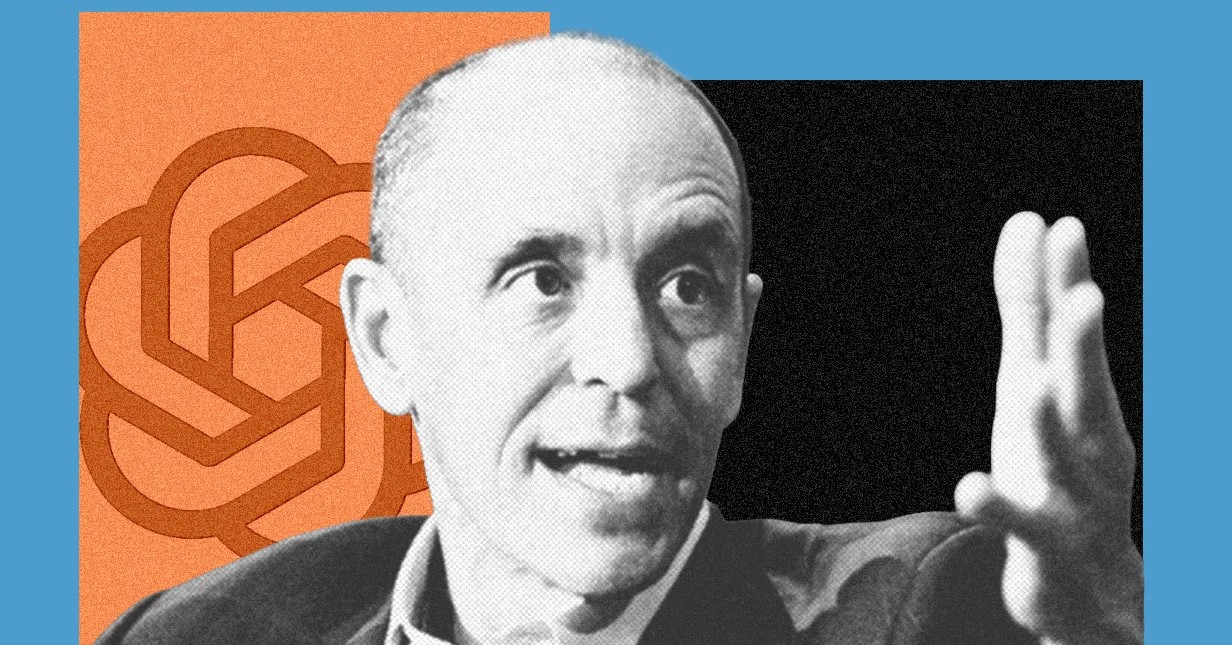
Enter Chris Lehane. He is OpenAI’s Chief of Global Affairs. A political vet. A crisis handler. His job? Two heavy lifts at once. Convince the public to like the tech. Persuade lawmakers to build rules that don’t crush the business. He sees them as one movement.
“Good policy equals good politics. You have to think about both moving in concert.”
Lehane calls himself the “master of disaster” — a nickname from his time in the Clinton White House handling crisis comms. He helped Airbnb survive regulatory attacks in cities that hated short-term rentals. He built Fairshake. The crypto super PAC. He legitimized digital currency in Washington. Now at OpenAI since 2024. He runs comms and policy. He matters.
The Narrative Problem
Lehane says public discourse on AI is artificially binary. Too simple. On one side: a Bob Ross future. No work. Beachside homes. Everyone painting watercolors forever. On the other: dystopia. Only a tiny elite controls powerful AI. Everyone else starves. Neither view holds up.
OpenAI helped create this polarization. CEO Sam Altman previously warned that entire classes of jobs would vanish. Recently? He backtracked. Said job doomism is “likely long-term wrong.”
Lehane wants a calibrated message. No extremes. He wants the company to offer real solutions. Not just talk about fears like mass unemployment or kids being harmed by chatbots but fix them. Point to their policy proposals. Four-day work week. Expanded healthcare. A tax on AI labor.
“If you say there are challenges, you have an obligation to come up with the solutions.”
It’s a good theory. Practice is harder. Former employees disagree. They claim OpenAI downplays risks. WIired reported that economic researchers quit. They feared their unit was turning into a PR arm. They said their warnings about economic impact were ignored because they were inconvenient.
Buying Influence
Skepticism grows. Politicians must react. Voters want tech tamed. So the industry threw money at politics. Super PACs appeared. Boosting pro-AI candidates. Shaping opinion. Critics say it backfired. Some candidates now run against the PACs.
Lehane helped build Leading the Future. The biggest pro-AI super PAC. Launched last summer. Backed by $100 million in commitments from tech bosses including Brockman. It is targeting Alex Bores. The author of New York’s tough AI safety law. He’s running for Congress in the 12th District.
Brockman told Wired his donations align with OpenAI’s mission. Ensure AGI benefits all. He made them personally but linked the goals. Lehane claims he only consulted Brockman generally. Said Brockman prioritized “good AI policy.”
Lehane denies involvement in daily operations of Leading the Future now. Says he lets it be an “independent outside thing.” He insists OpenAI doesn’t fund super PACs directly. They say so on their blog.
Legislative Chess
Lehane compares AI to railroads. To electricity. Foundational utilities. OpenAI isn’t quite there yet. It is trying anyway. Working closely with the government.
There is no federal AI law. So they are using “reverse federalism.” Lobbying states to copy each other’s rules. The goal is harmonization. Mirror the laws in California and New York. Avoid a patchwork of regulations that kills innovation.
Sometimes they overreach. Or appear to. In Illinois OpenAI backed a bill offering liability shields. AI labs would avoid responsibility for catastrophic harm if they published safety frameworks online. The bill was widely criticized. Even by the Governor. OpenAI issued a statement later. Denied supporting the liability safe harbor.
Lehane called the previous blanket support an oversight.
“I don’t think we were Explicit on what we supported. That was on us.”
He admitted sharing thoughts but said the goal remained harmonizing laws with the coasts.
Now the strategy has shifted. OpenAI supports a stricter Illinois bill. It mandates third-party audits for safety. One of the toughest laws in the country. Even rival Anthropic supports it. It passed the state senate Thursday.
Progress? Maybe. The trust gap remains. Can money and messaging fill it? Probably not.