



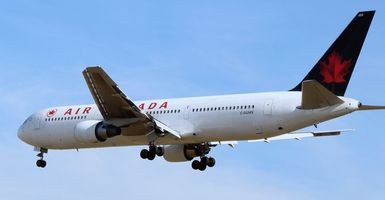
Understanding how to enter a protected market often requires looking at precedent. Air Canada spent 22 years holding a monopoly before the rules changed.
From Crown Corporation to Competitor
Air Canada began in 1937. The Canadian Parliament established it as Trans-Canada Air Lines. It started small. One route. Vancouver to Seattle.
The company operated under strict government control. For 22 years, no other airline could fly domestic routes within Canada. This protected its revenue. It also limited consumer choice.
Then the market opened.
In 1959, the monopoly ended. New entrants arrived. By the 1960s and 1970s, regulatory barriers dropped significantly. Competitors launched services on both domestic and international routes. Air Canada lost its exclusive position.
Why Air Canada sold shares to employees
Competing changed the math. Air Canada needed capital. It needed to upgrade its fleet. It needed agility in a competitive landscape.
So it sold.
In 1988, the government sold 45 percent of the airline’s shares. Who bought them? Employees and the general public. This was a partial privatization. It brought in fresh capital while keeping a stake with the workforce.
The following year, 1989, the airline became fully private. No government ownership remained.
How Air Canada expanded its route network
Once the regulatory handcuffs came off, growth accelerated. By the early 21st century, the airline reached over 90 communities.
Where did it fly?
- Canada and the United States
- Bermuda and the Caribbean
- The United Kingdom
- Continental Europe
- Asia
- Australia
- South America
It was not just a domestic player anymore.
In 1966, Air Canada made a bold move. It became the first North American airline to serve Moscow. That was a significant geopolitical and commercial step.
Which acquisition made Air Canada a global leader
Scale matters in aviation. In 2000, Air Canada acquired Canadian Airlines International.
Canadian Airlines was the second largest carrier in Canada. The merger was massive. It instantly consolidated a large share of the domestic market.
After that deal, Air Canada became one of the world’s largest commercial airlines.
The shift from monopoly to competition forced a structural change. Privatization provided the capital needed to survive and expand.
The airline’s headquarters remain in Montreal. The name changed from Trans-Canada Air Lines to Air Canada on January 1, 1965. That rebranding preceded the major competitive shifts that followed.
Does protectionism always lead to stagnation? Not always. But it often delays innovation. Air Canada had to adapt, sell equity, and buy its way to scale. That is a lesson for any business facing a protected market. The rules will change. The question is whether you are ready when they do.