



Europe is buying electric vehicles. Gas prices there are spiking due to the Iran war. Buyers are ditching tanks for plugs. BEV sales jumped more than 33 percent in the early months of 2026.
The US is doing something else entirely.
Electric vehicle adoption here is stuttering. Sales rose nearly 15 percent from the first to the second quarter of the year. That’s a gain. It’s also tiny compared to the hype. EVs are still lagging far behind the optimistic projections set before the Trump administration pulled federal tax credits. Those credits used to go up to $7,500. Automakers scaled back their electric plans in response.
Instead of charging cables, American drivers are buying hybrids.
Kelley Blue Book projects hybrid sales to rise 9 percent this year. Total car sales? They’re dipping. Over 2 percent.
Why Americans Choose Hybrids Now
Gas prices in the US are up 30 percent compared to this time last year. The Strait of Hormuz conflict keeps oil prices fluctuating. People want to save money. Hybrids combine internal combustion engines with electric motors to sip fuel instead of gulping it down. Some plug in. They run on a smaller gas tank once the battery dies. Most don’t plug in at all. They use technology that is decades old. But it works.
Gas prices aren’t the whole story. Hybrids are more available now. They aren’t much more expensive than standard gas cars. And they lack that nagging “range anxiety.” Pure battery-electric vehicles make people nervous about dead batteries on long trips. Hybrids don’t.
A hybrid doesn’t feel like an EV. These are different animals.
Stephanie Brinley associates director at AutoIntelligence. She says hybrids are here to stay. They aren’t a bridge anymore. They are the destination for many buyers. Karl Brauer at iSeeCars.com agrees. People want to save cash. They want freedom from range limits. The hybrid is the perfect solution. It has a long life ahead.
This American fondness is unique. US cars are looking nothing like global counterparts. Hybrids are becoming mainstream in the US while Europe races toward full electrification.
The Toyota Effect
Toyota is driving this shift.
The Japanese automaker bet on hybrid tech in the late 1990. The Prius arrived. By the early 200s, the Camry had a hybrid version. When other automakers went all-in on pure electrics in the 201s, Toyota stayed the course.
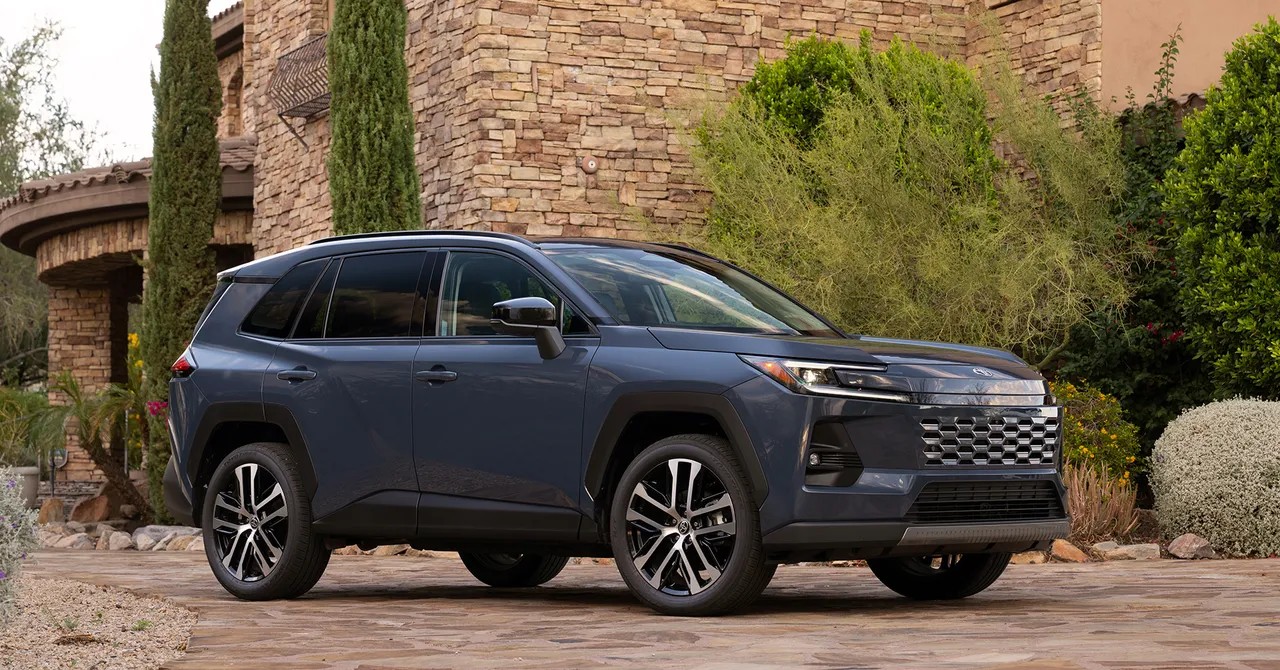
Now US customers can buy a hybrid version of almost every Toyota model. Popular cars like the Camry and RAV4 are often hybrid-only.
Unsurprisingly, Toyota’s hybrid sales jumped nearly 20 percent last quarter. Brauer points out something telling. People buying RAV4s for twenty years don’t know the technical details. They walk into a dealership. They buy the new version. They don’t realize they’re buying a hybrid.
The price gap is shrinking too. For models with pure gas options, the hybrid powertrain adds only a few thousand dollars. At current sticker prices, that’s negligible.
Honda saw the CR-V with hybrid trims account for 51 percent of its sales. Last week, Honda said it is killing the Prologue EV in the US. The 2027 lineup will have zero BEVs. Hyundai and Kia also saw hybrid sales rise this quarter.
Even US automakers are pivoting back. Ford’s Maverick truck found serious success with a hybrid trim. Stellantis is talking more about electrified powertrains, having pulled back from plug-in hybrids. GM, a longtime holdout, is leaning on hybrid tech to survive the messy electric transition.
Hybrids showed up more than 25-years ago and now reach 15 percent of the market. EVs are expected to be 12-percent of sales in 203-a faster pace, but it takes people time to change.
— Stephanie Brinley, AutoIntelligence
The shift is so strong that even Tesla owners are joining them. Edmunds reports over 20 percent of people trading in electric cars in Q2 2026 bought hybrids afterward. This doesn’t include direct-to-consumer brands like Rivian or Lucid. It shows a broader trend. People want flexibility. They don’t want to be locked into a single infrastructure.
Brinley sees this slow hybrid growth as good news for EVs long-term. The pace is slow. But steady. EVs will catch up. Eventually. Until then, Americans are sticking with what doesn’t leave them stranded.