




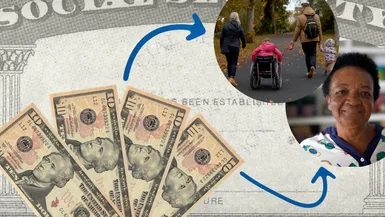
Payroll tax is a levy slapped directly onto wages and salaries. It ignores capital gains, dividends, and interest. That distinction matters. Income taxes hit everything you earn. Payroll taxes hit only what you work for.
Most countries do not use this money for general budgets. They use it for social security. This includes retirement benefits. It covers survivors’ benefits. It pays for disability insurance and health care. The goal is specific. The funding is dedicated.
“Payroll taxes are virtually always collected through withholding, and they are often levied on both the employer and the employee.”
More than 140 nations operate some form of social security program. As populations age, these systems face pressure. Older citizens need more support. The demand on social security systems grows. This makes payroll tax revenue extremely important for governments.
But the rules change across borders. International differences in social security programs mean payroll tax systems vary widely. Rates differ. Structures differ. There is no global standard.
The Regressive Nature of Payroll Taxes
Payroll taxes usually follow strict rules. They are collected via withholding. Both employers and employees often pay. But unlike income taxes, there is no consideration of personal circumstances. No deductions for children. No adjustments for medical bills.
The structure is often regressive. Why? Because of the ceiling.
Many payroll taxes do not apply to income above a certain limit. This is the taxable ceiling. Once you earn past that point, you stop paying the tax. Meanwhile, labor income represents a smaller fraction of total income as you get richer. Wealthy people earn more from investments than from work. Workers earn almost entirely from wages.
This creates a disparity. Lower earners pay a higher percentage of their total wealth in payroll taxes. Higher earners pay a lower percentage relative to their total income.
Who Actually Benefits?
The system is not entirely one-sided. The regressivity might be offset by how benefits are distributed. Social security benefits are commonly allocated to the poor. Retirement and disability payments often go to those who earned the least.
This distribution model changes the equation. The tax hits the worker. The benefit hits the retiree or disabled person. For many low-income earners, the return on their payroll tax contributions is significant. For high earners, the ceiling limits their contributions while their investment income grows tax-free in this specific category.
The result is a complex trade-off. You pay strictly for your labor income. You ignore your capital gains. You hit a cap. You support a social safety net. Whether this is fair depends on your position in the income ladder.
Developing countries sometimes treat the income tax base as little more than a payroll tax base. The distinction blurs there. In advanced economies, the split is clear. But the pressure on social security systems is universal. Aging populations demand more. The funding mechanisms remain stubbornly traditional.